


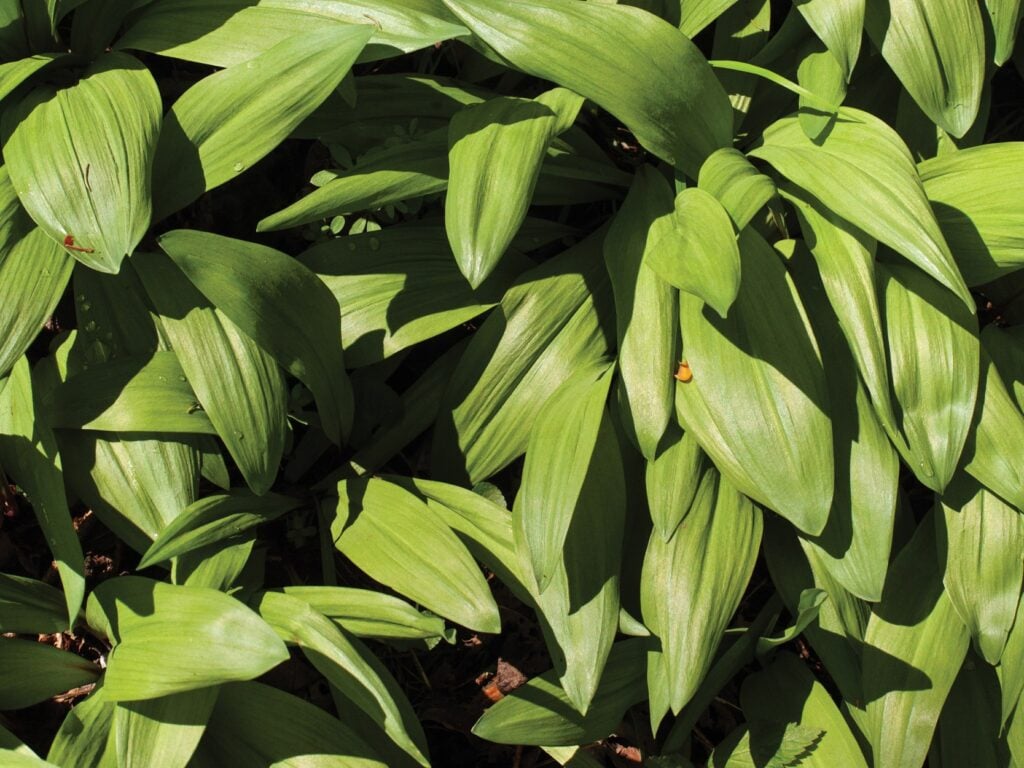
West Virginia celebrates the season of stink.
This story was originally published in the April/May 2026 issue of Wonderful West Virginia.
Subscribe here.
Written by Taylor Maple
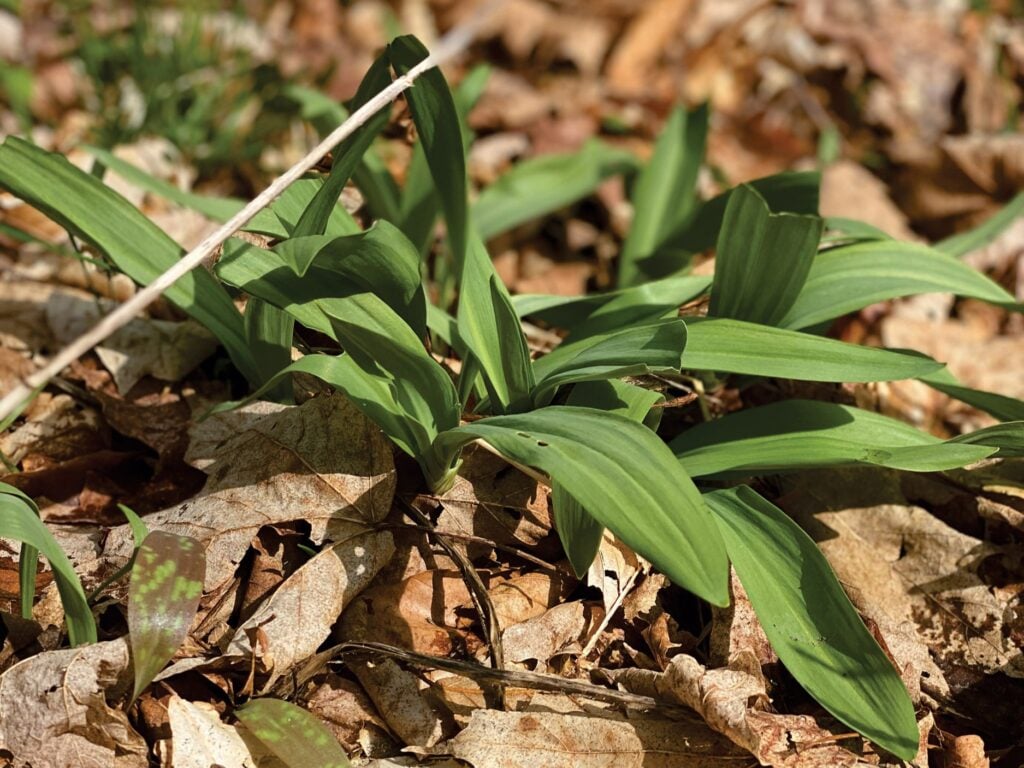
In the hills of Appalachia, an unassuming plant grows in moist, rich soil—corners of the woods where dappled sunlight shines through canopy breaks. They might spring up right in your backyard, and if you don’t know what to look for, you might miss them completely. But the humble ramp deserves your attention. It’s a beloved plant, celebrated throughout West Virginia and steeped in tradition, bringing people together at the dinner table for decades and likely for decades more to come.
Sprouting Every Spring
Ramps are a sort of wild spring onion, bursting with a slightly more pungent flavor. They grow in many areas of the country but are particularly known, loved, and harvested in the Appalachian region. John Burkhart, a natural heritage botanist with the West Virginia Division of Natural Resources, says that the soil pH plays a big role in where you’ll find these plants. “They’re usually not found in acidic sites—they’re usually found in more basic soil,” he says.
Harvesting season can range, depending on where you’re located and how warm it’s been in any given year from March through May, but Burkhart says most are harvesting them during the spring wildflower season in April. If you’re out for a stroll in early spring, you might find them sprouting up, ripe for the taking.
But if you want to be a good steward of the lands that offer you these delicious treats in abundance and ensure they do so for generations to come, there are a few rules and guidelines you should follow.
Harvest With Care
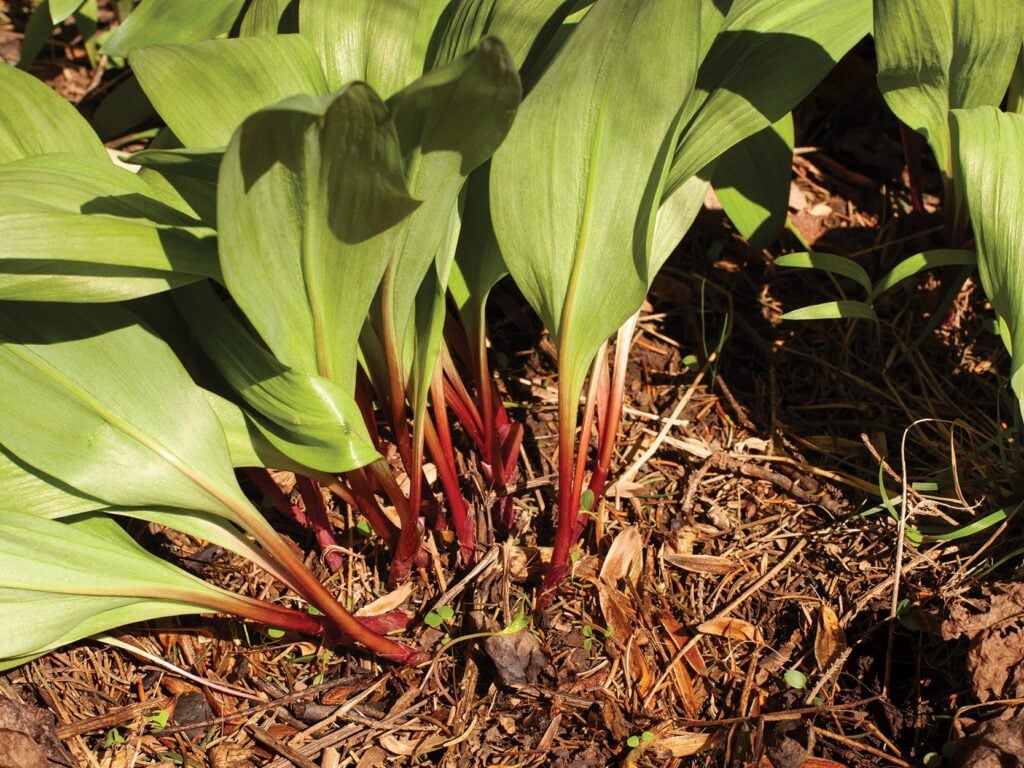
“In general, it is not permitted to harvest ramps from West Virginia state-owned lands like state parks or wildlife management areas,” Burkhart says. “The public lands where you can harvest ramps are the two national forests in West Virginia: the Monongahela National Forest and the George Washington National Forest.” If you do harvest from these forests, only harvesting for personal use is allowed. Folks are allowed to take roughly two gallons per person—about what would fit in a plastic shopping bag.
If you do see the plants out and about on your land or land where you have permission to harvest, it’s perfectly legal to snag them from the ground, though Burkhart notes you should check out whether any state or municipal regulations might call for extra restrictions.
It’s also important to harvest them sustainably. “The rule of thumb that I’ve heard—this is based on the assumption that it takes an individual ramp plant seven years to reach maturity—is that you should never harvest more than a seventh of the plants in a patch,” he says. This ensures the entire patch is not wiped out and has adequate opportunity to reproduce.
What tool you use is important, too. “It’s generally encouraged to not harvest ramps with a shovel,” Burkhart says. “A digging knife is my preferred tool to harvest ramps because I feel like I can be pretty accurate—just get the plant that I want and not dig around too many other places.”
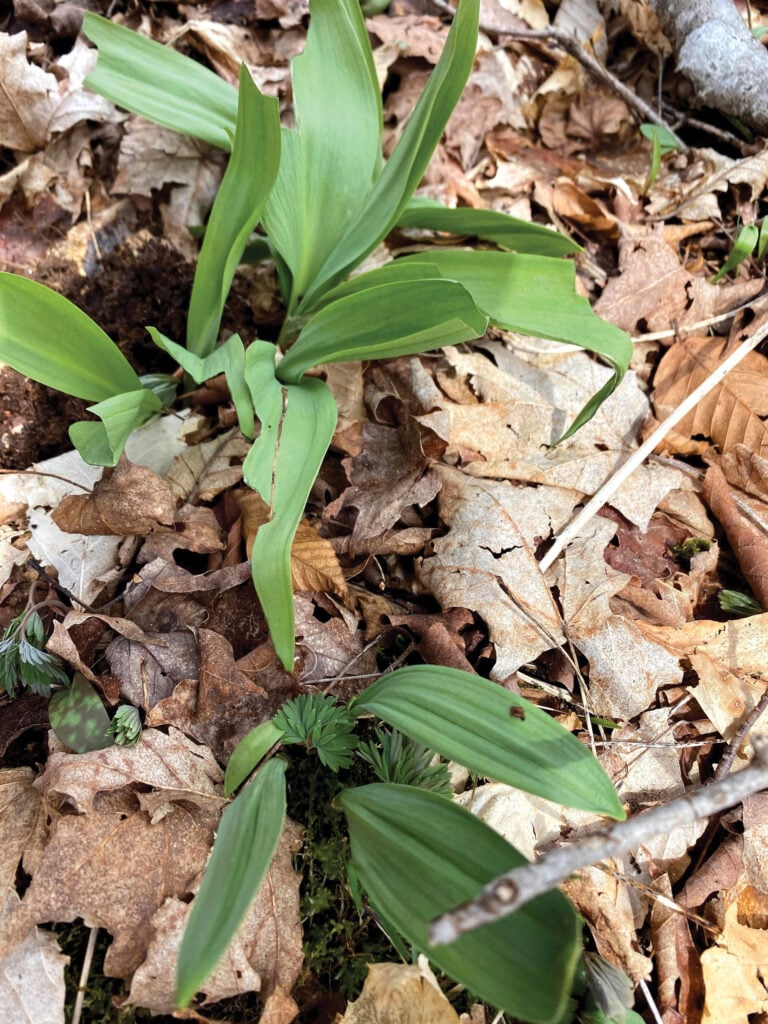
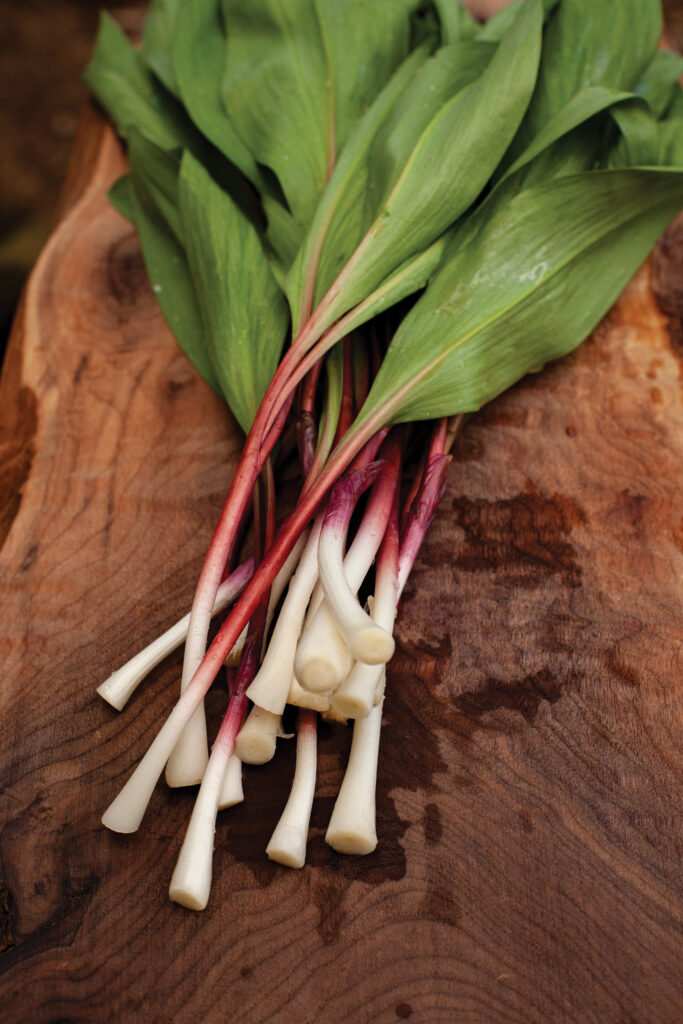
As ramps have become trendier, growing in popularity around the U.S. and appearing on menus in higher-end restaurants, some speculate that their sustainable growth could be threatened. “People are harvesting ramps earlier,” Burkhart warns. “If you harvest a ramp as soon as it comes up, it’s going to take a lot more individual plants to fill up a five-pound bucket than it would if you’re waiting until the plants are kind of peaking.”
But anyone with a bit of suitable land can help sow new plants. “If you own a house with a yard and you have some suitable habitats, like moist soil under a little bit of canopy or dappled light or partial sun, you can establish your own ramp patch and get it going,” Burkhart says. “And that’s a good way to sort of do perennial gardening. I think it just helps people learn about the biology of the plant, and that can be a part of the sustainable use of ramps regionally.”
Harvesting ramps is not only a time-honored tradition—it’s also fun and can get you more in touch with the lands around you. “I love harvesting ramps,” Burkhart says. “It’s a great time to get out with your friends and family. It’s also just a really nice activity in the spring when you’ve got cabin fever. Getting out to those early spring woods is really fun.”
When you’ve got your haul slung over your shoulder, it’s time to head home and cook them up. Ramps can be prepared several different ways—grilling them with oil, salt, and pepper and serving as a leafy green alongside a main dish, pickling them, fermenting the leaves, sauteeing them into stir fries, or incorporating them into sauces and marinades. They’re delicious, and folks will come from far and wide to sample a taste—as local festivals know very well.
Feasts to Behold
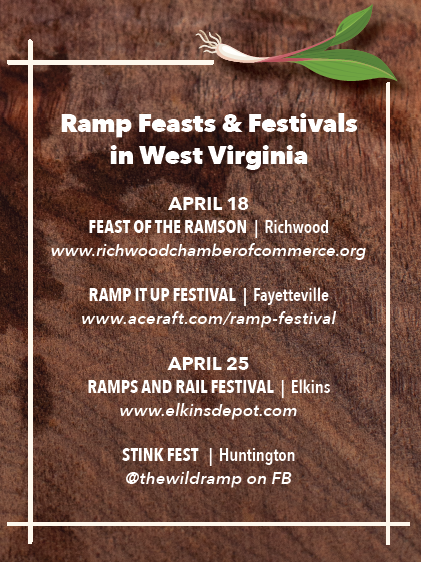
Throughout the state of West Virginia each spring, there are many feasts, festivals, and dinners celebrating ramp season. “It would probably be impossible to make it to all of them,” says Ben Duvall-Irwin, marketing director for the Elkins–Randolph County Tourism CVB, but it’s worth it to try to get to at least one.
In Elkins, the Annual Ramps and Rail Festival, happening this year on April 25, celebrates, as the name suggests, both ramps harvested in the area and the trains that run through the depot in town. Music, vendors, and importantly, food, abound. The menu boasts ramp burgers, ramperoni rolls, ramp chili, and ramp risotto with shrimp. The festival has grown in recent years. Duvall-Irwin says they expect more than 80 vendors this year, about 30 more than they accommodated a few years ago, many of whom have their own ramp concoctions for sale, like ramp honey. Also for sale? A cookbook full of ramp recipes you can make at home. And if you’re in Elkins in the weeks leading up to the festival, you might notice specials from local businesses offering a taste of their ramp creations.
On April 18, Richwood holds its 87th Feast of the Ramson, also celebrating the plant, the dishes it lends itself to, and the traditions surrounding it. Suzanne Coffey, secretary/treasurer at the Richwood Chamber of Commerce, says they cook anywhere from 800 to 1,000 pounds of ramps each year at this festival, and about 1,000 people attend for a taste.
“You don’t only get ramps,” she says. “You get brown beans, cornbread, potatoes, bacon, ham.” The taste is great, but there’s something about the novelty that she also thinks draws people in. “A lot of people don’t know what a ramp is—it’s just like a wild onion, basically,” she says. “People really love them, and I just think it’s so different and not something you see all the time.”

Vendors flood this festival as well—you might find ramp jelly, ramp mustard, ramp salt, and even ramp-themed ornaments for your Christmas tree.
Mary Jane Williams, Chamber president, says the appeal of the festival isn’t just food—it’s tradition. “In Richwood, it’s gone back to the 1930s when they first started gathering and having ramps. As time went on, they expanded it and allowed other people and made a big festival. It does basically stem from that first dinner 80-some years ago.”
In their tight-knit community, there’s something that calls folks to feel connected to the people who knew and loved the land before they did and to the generations who cultivated these plants long before any high-end restaurant added them to their menu. “It’s a small town, so it has a real kind of family effect,” she says. “Everyone is real close, and they want to remember all those past traditions and pay homage to them. I think that’s part of it as well.”
Whether you’re familiar with ramps or not, there’s plenty of opportunity to connect with them each spring. Maybe you’re walking your land with friends and family and spot some to harvest (sustainably!) and cook up at home or making a road trip so a few seasoned experts can make you a perfect plate. Either way, you won’t regret getting a little taste of tradition.