


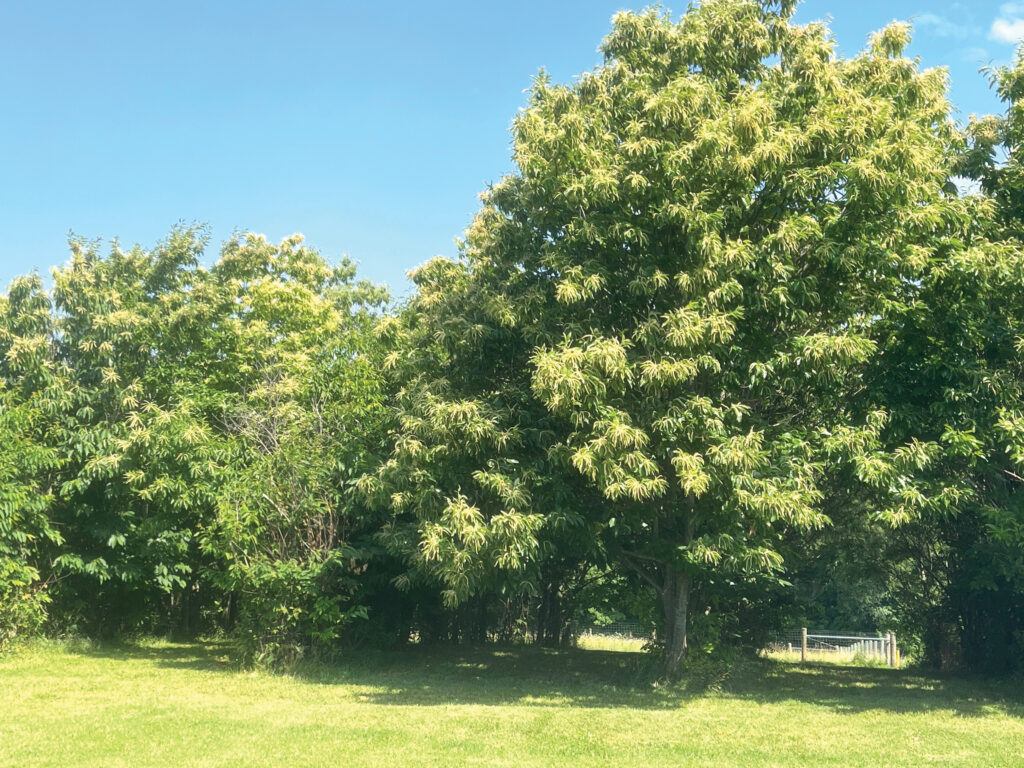
100 years after the greatest ecological tragedy to sweep North America’s forests, the American chestnut tree is on its way back from extinction thanks to research and recreation in West Virginia.
This story was originally published in the June 2025 issue of Wonderful West Virginia. To subscribe, visit wonderfulwv.com.
Written by Laney Eichelberger
Photos Courtesy of Mark Double
Acentury ago, the American chestnut sprawled across the Appalachian landscape. It was a pillar of economy, diet, and culture in the Mountain State—one West Virginia railroad station shipped a whopping 150,000 pounds of chestnuts in 1911. But today, few can remember the species’ past prestige.
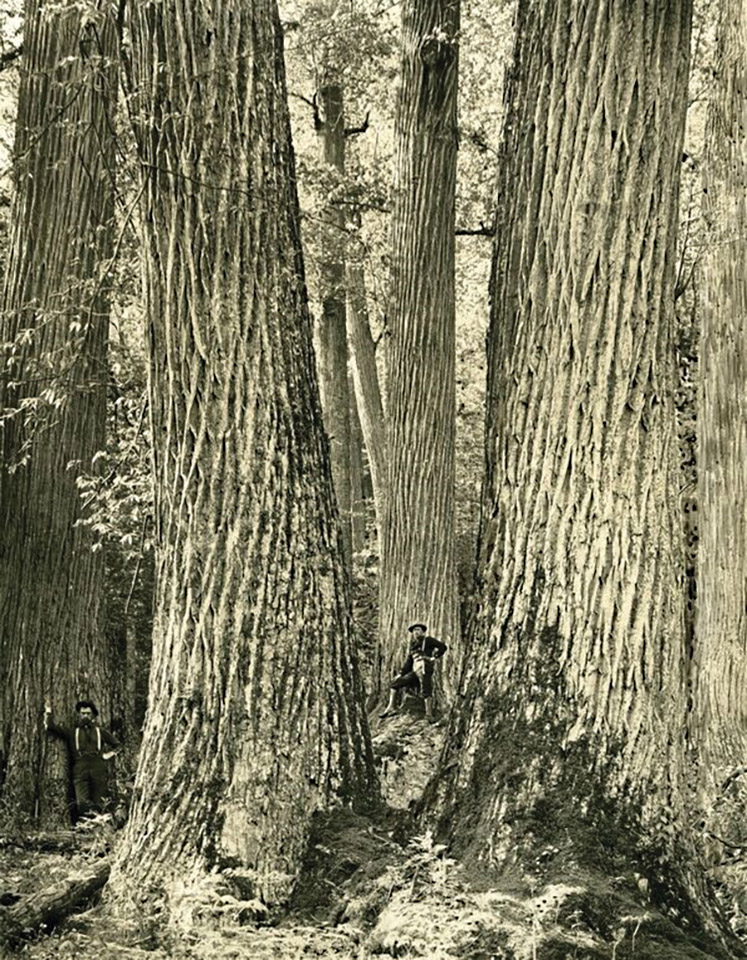
“If you were a pioneer and you moved to Randolph County, you built your cabin with chestnut. You used chestnut fences to keep in your livestock. You fed your livestock and yourself with chestnuts,” says Mark Double, former president of the West Virginia Chapter of The American Chestnut Foundation (TACF) and retired West Virginia University research associate of more than 40 years. “This tree built America.”
When a non-native fungus swept the nation, the American chestnut was dethroned—but its majesty hasn’t been forgotten. Decades after it was declared extinct, this Appalachian giant is on its way to reclaiming its crown.
Where the Wild Things Grow
A strong trunk stretches 100 feet above the forest floor. Toothed leaves fan out, fading green to gold. Below, thousands of burred fruit litter the ground, each one cradling three brown nuts. These nuts, barely an inch in diameter, will nourish nearby squirrel, deer, and bear populations, with plenty left for local families to roast or grind into flour.
One day, after it has stood unshakeable witness to its changeable environment for hundreds of years, this woodland legend will find new life as a barn roof or railroad ties. Supply is plentiful—the “Redwood of the East” makes up nearly a quarter of the forest canopy in its native range spanning the Appalachian Mountains.

Such was the life of the American chestnut—until the late 1800s, when importations of Asian chestnut trees heralded the beginning of the end.
At the turn of the 20th century, thousands of Japanese and Chinese chestnut saplings were distributed across the country by mail order. Unbeknownst to recipients, fungal spores from the plants clung to wildlife and rode the breeze, carried through undergrowth and across rivers. American chestnut leaves browning in midsummer, wrongly attributed to drought, were the first signs of disaster. In the following years, scientists raised the alarm as orange cankers swelled from cracks in the bark of American chestnuts, cutting off water and nutrients as the trees rapidly wilted and died.
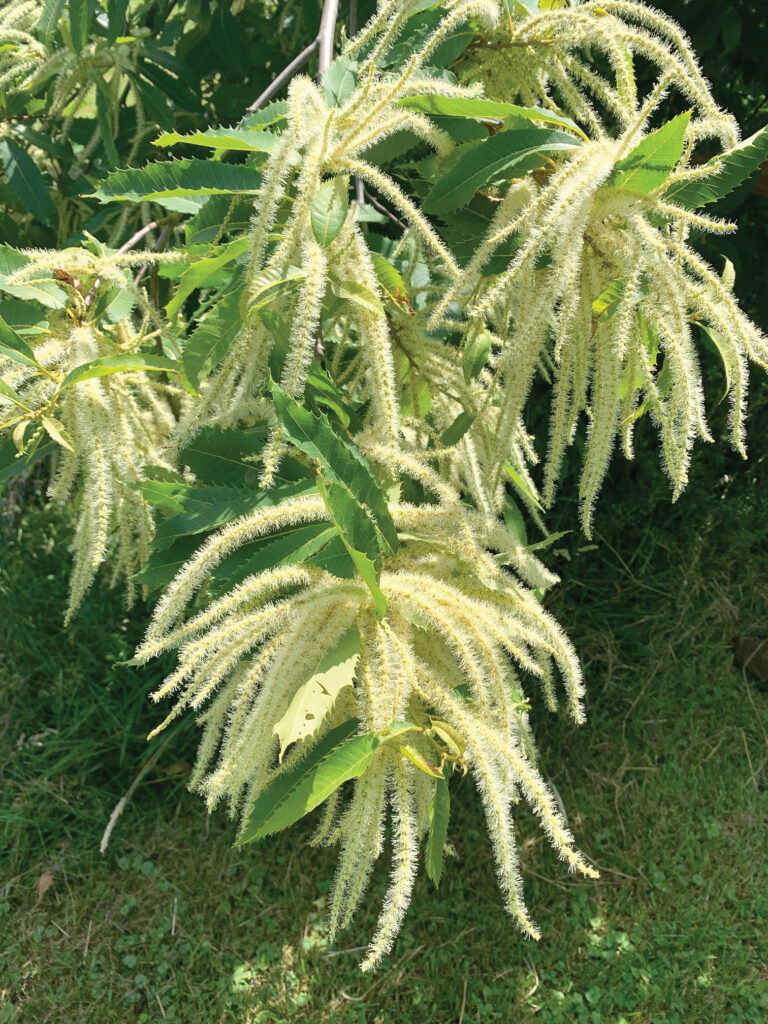
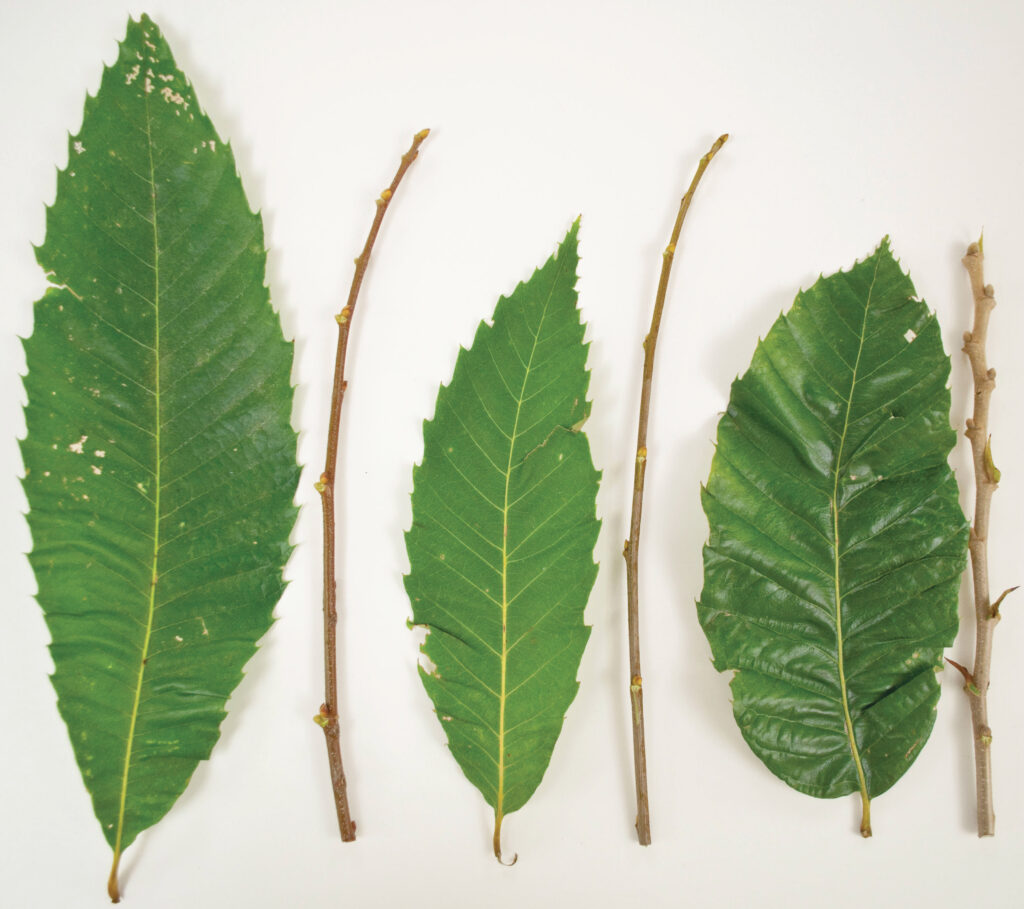
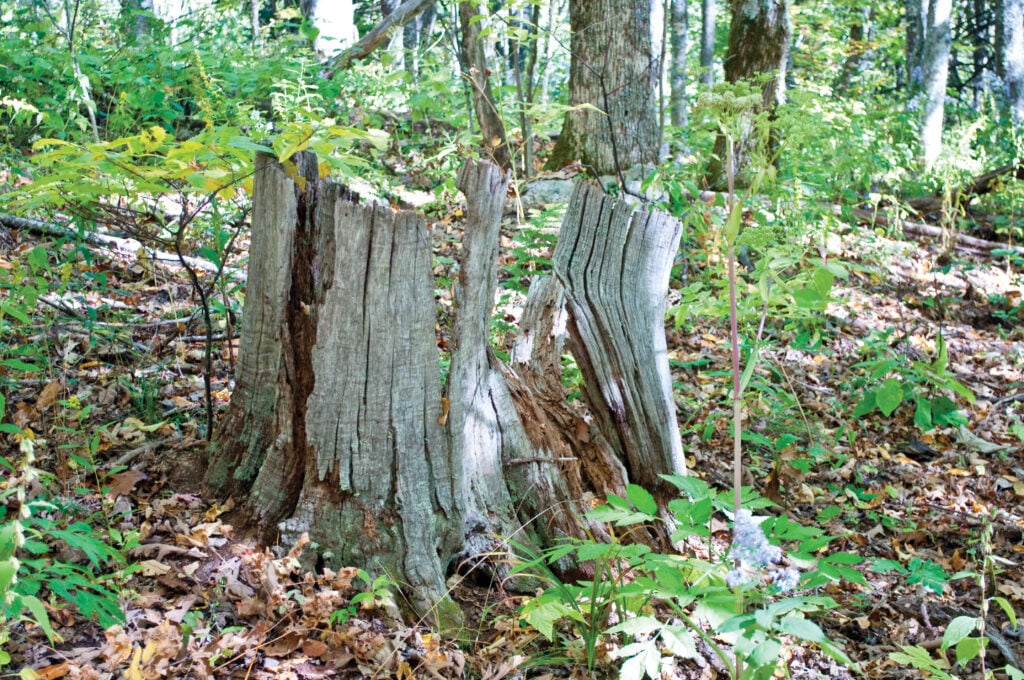
First identified as the chestnut blight fungus in the early 1900s, the pathogen infected the American chestnut’s full range by the 1930s. By the 1940s, the death toll reached 4 billion. In 1950, the United States Department of Agriculture deemed the species functionally extinct. Over the course of five decades, a keystone species of Appalachian forests was lost.
Encountering an American chestnut in the wild today is unlikely, and wild specimens succumb to the blight before achieving an echo of the species’ former glory. However, the native Allegheny chinquapin and non-native Chinese chestnut can be found in West Virginia thanks to greater resistance to the disease—a resistance that just might be the key to restoring the American chestnut.
A Tough Nut to Crack
20 years ago, a Michigan resident watched his American chestnuts fall victim to the blight. The trees had stood their post since the 1930s, when the man and his brothers would gather baskets of chestnuts to be sold at a nearby train depot. Those trees allowed him to get through the winter with shoes on his feet, he said. They were part of his identity.
“The emotion on his face said it all,” says Double, the former TACF chapter president, who has encountered many similar experiences during his lifelong role in chestnut research. During the span of his career, plant breeding, genetic modification, and virus control have paved the way for the next chapter of restoration. Efforts are largely based in breeding techniques, in which American chestnuts are bred with Chinese chestnuts to produce blight-resistant offspring with American traits.
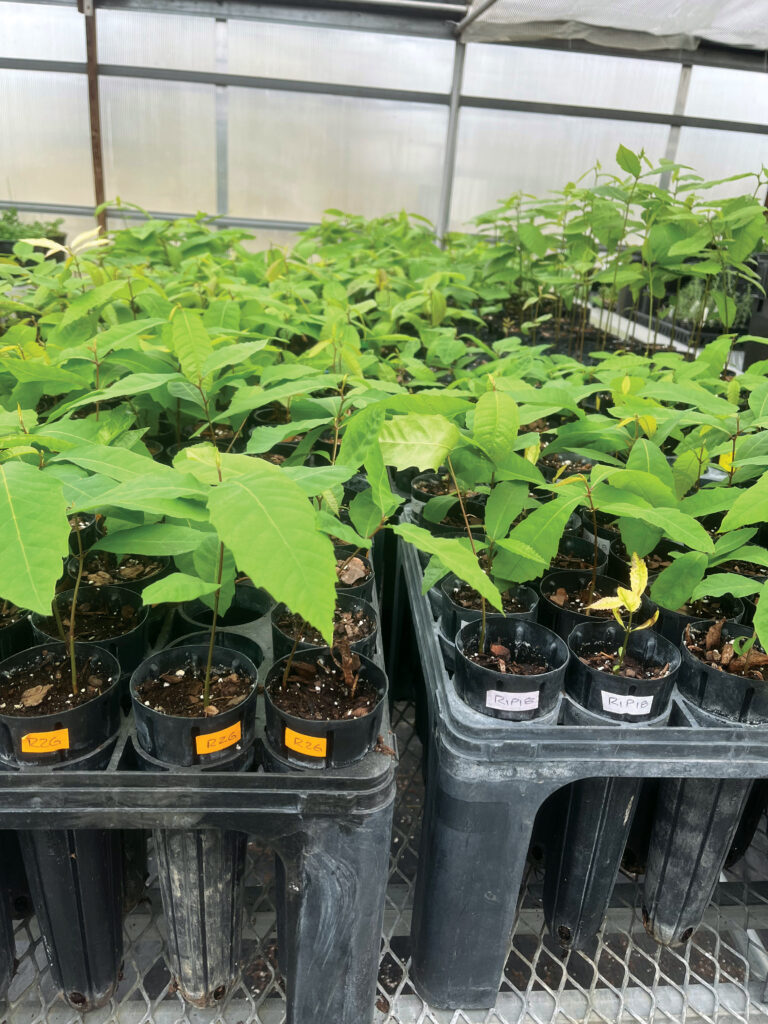
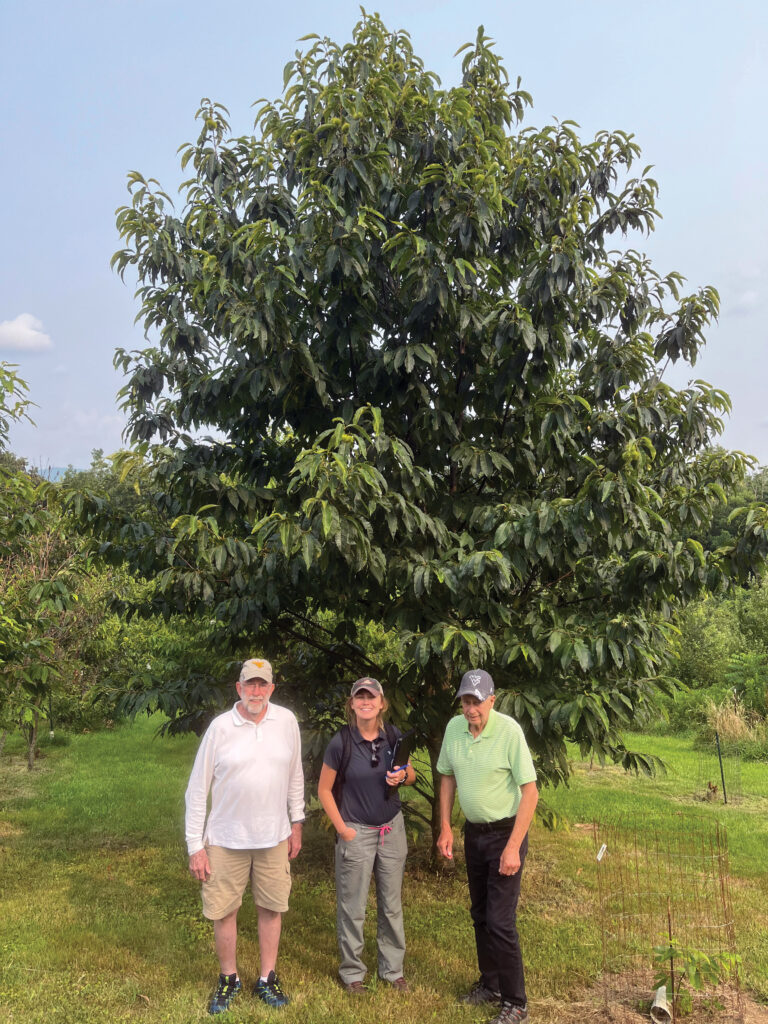
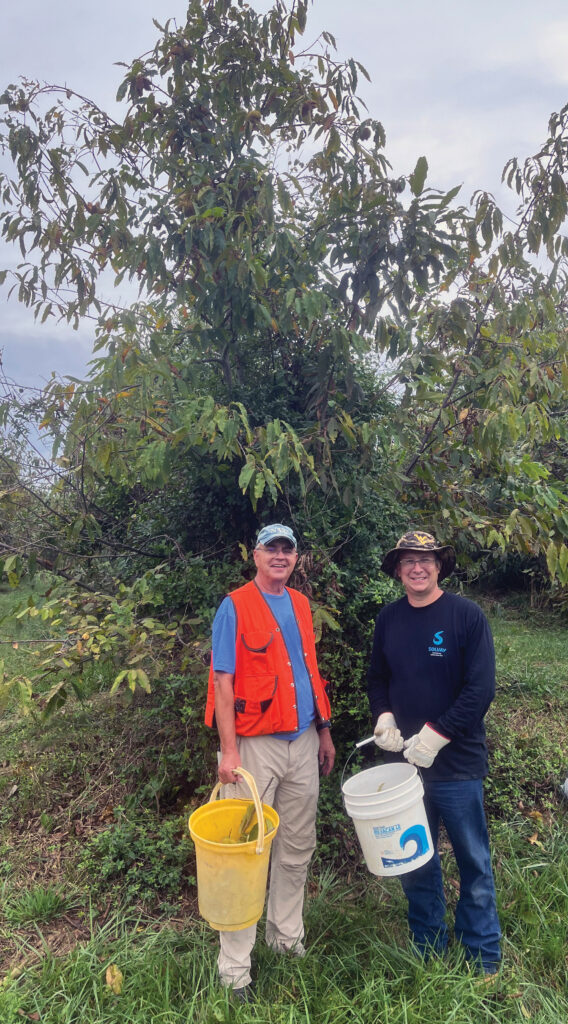
These hybrids are hosted at dozens of sites across West Virginia and at germplasm conservation orchards that also nurture pure American chestnuts that are used for breeding—it’s possible to sprout and grow them, just not to grow them to full maturity. The West Virginia TACF chapter collaborates with the national foundation and with scientists around the globe to conduct research and educational outreach.
Earlier this year, members gathered at the WVU Evansdale Greenhouse to pot more than 1,000 American chestnuts gathered from the former state tree nursery. Double estimates that the chapter has dispensed upwards of 10,000 seedlings within the past decade. According to him, that’s one perk of joining the chapter: free chestnut trees.
West Virginia is Nuts About Chestnuts
Restoring an extinct species isn’t all work and no play—for nearly two decades, dozens of chestnut enthusiasts from near and far have gathered in Preston County for the annual West Virginia Chestnut Festival. Held at Rowlesburg Community Park on the Sunday following Columbus Day, it’s the only chestnut festival in West Virginia and one of few in the United States.
The festival features informational sessions, art and craft vendors, a gala banquet, live music, and, of course, chestnuts—including seedlings for sale and freshly roasted nuts. Each year, Mr. and Mrs. Chestnut are crowned for their contributions to chestnut restoration, art, and cuisine.
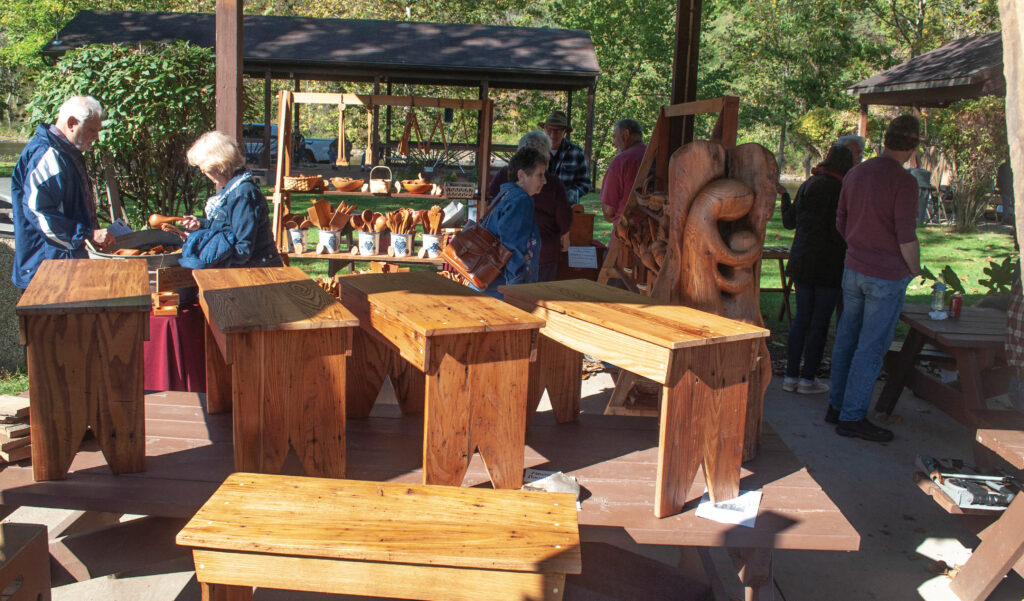
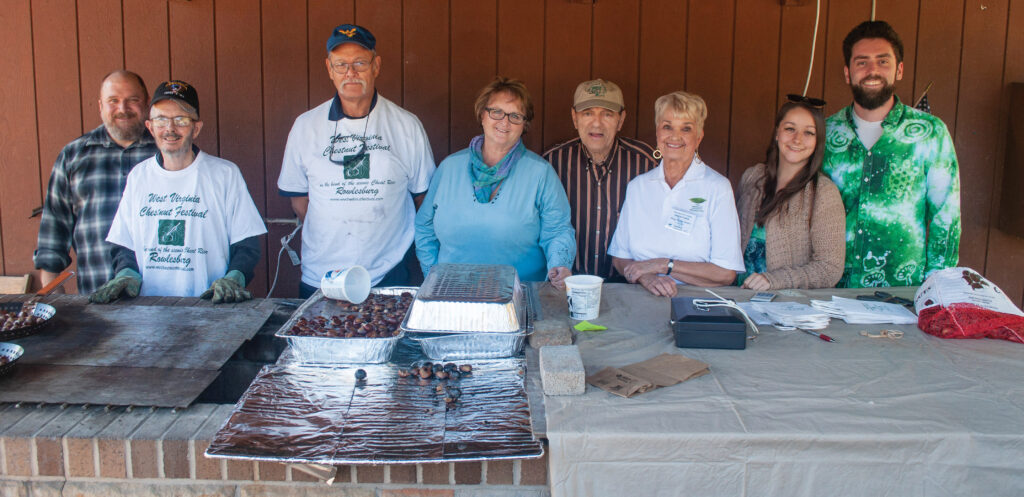
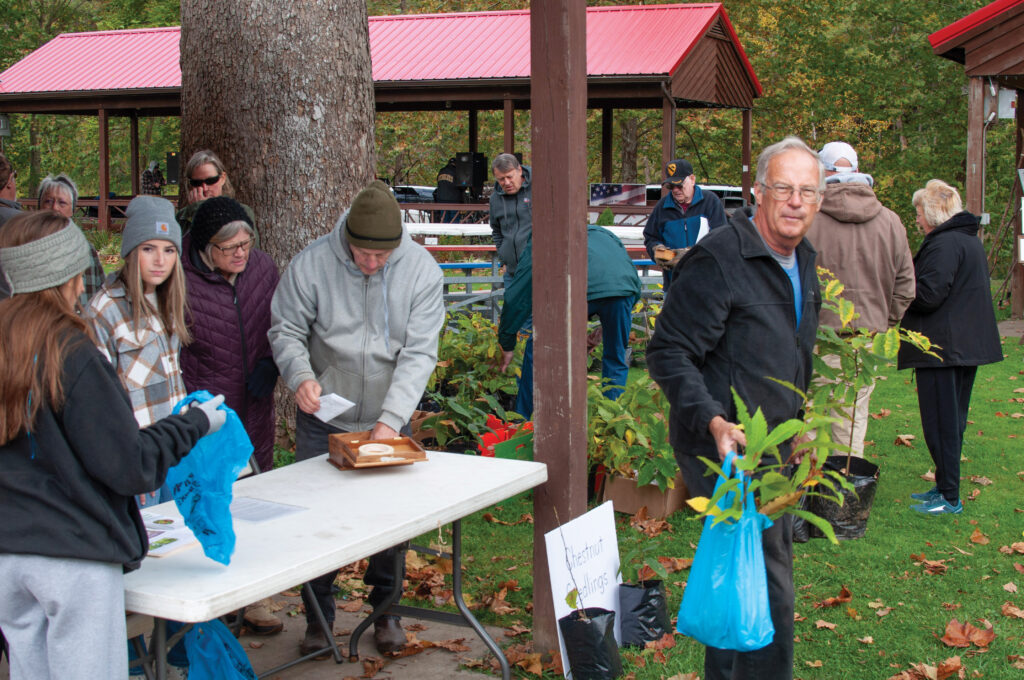
“The festival has really been iconic in terms of portraying the human side of chestnut trees,” says Double. “It’s quite a unique group of folks. There are people from West Virginia, Maryland, and Pennsylvania, and every now and then we get somebody from Colorado or California.”
By inviting the public to take part in research opportunities and recreational activities, the West Virginia TACF chapter is ensuring that the American chestnut lives on as more than just faded photographs and dwindling memories. Each tree planted, festival held, and scientific breakthrough achieved is one step closer to the species’ return to natural reproduction in its native range. This Appalachian giant’s legacy is far from over—it’s carrying on, one chestnut at a time.
To join the chestnut renaissance, visit www.tacf.org/wv or attend the annual West Virginia Chestnut Festival in Rowlesburg—mark your calendar for October 19, 2025.
Riddled with History—and Worms?

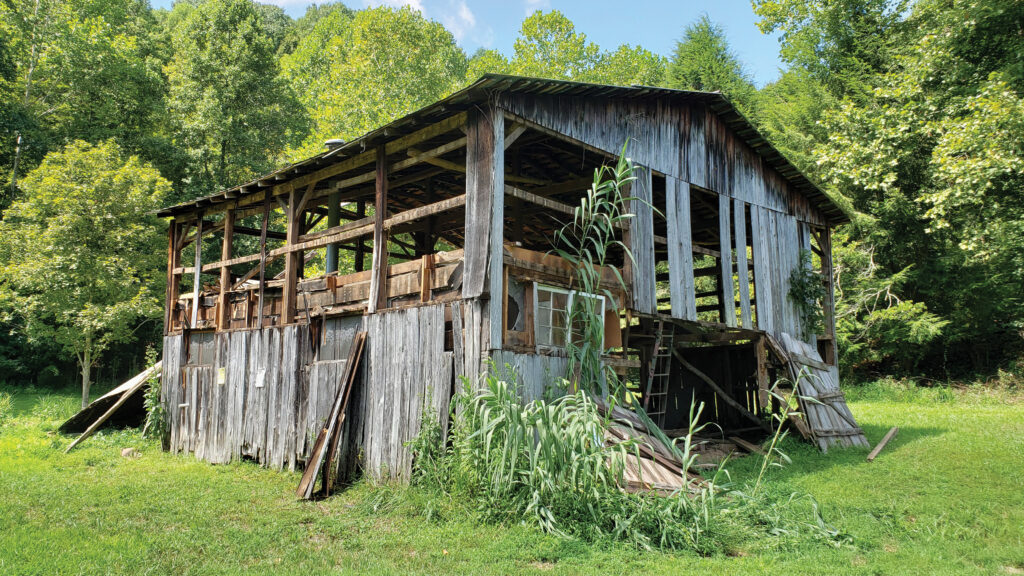
Even after extinction, the American chestnut has held onto its popularity among carpenters. American chestnut lumber is highly sought after, but one variety is especially favored: wormy chestnut. After a tree fell victim to the blight, its cadaver was drilled by insects. This left the wood punched with holes, but no less strong. After processing, wormy chestnut can be recognized by its distinctive straight grain littered with dark spots.
Wormy chestnut can be found in historic railroad ties and barns and continues to be a coveted find among woodworkers for its rarity and rustic charm. Finding it is no easy feat, according to Bear Wood Company founder Matt Snyder. Each year, Snyder and his team reclaim around six barns across West Virginia to salvage material for the company’s Hurricane, Charleston, and Morgantown galleries. Snyder says salvaging chestnut is like striking gold.
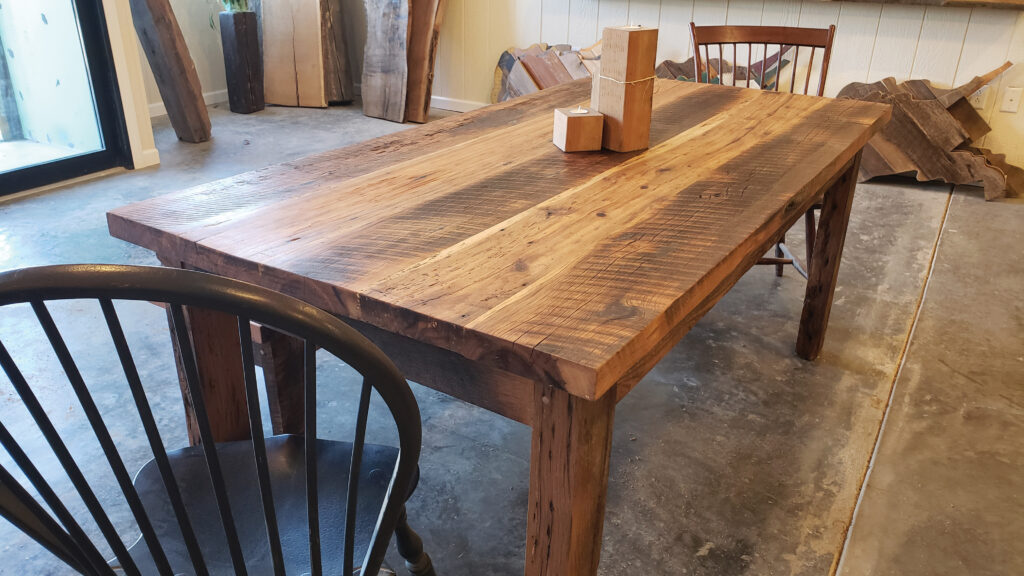
“Some of these barns are 200 years old, so it definitely stands the test of time,” says Snyder. “To get the opportunity to salvage a board of chestnut and make it into something that will last another 100 years—that’s a pretty big opportunity for us.”
Such opportunities are growing more rare with each passing year. Snyder says his team hasn’t encountered a single board of chestnut—wormy or otherwise—in years.
“It must have been a real treat to stand under an American chestnut tree. I go to Canaan Valley and read stories about what the area looked like when it was covered in them,” says Snyder. “It’s a shame that so many of us have never gotten to see it.”