 By
By 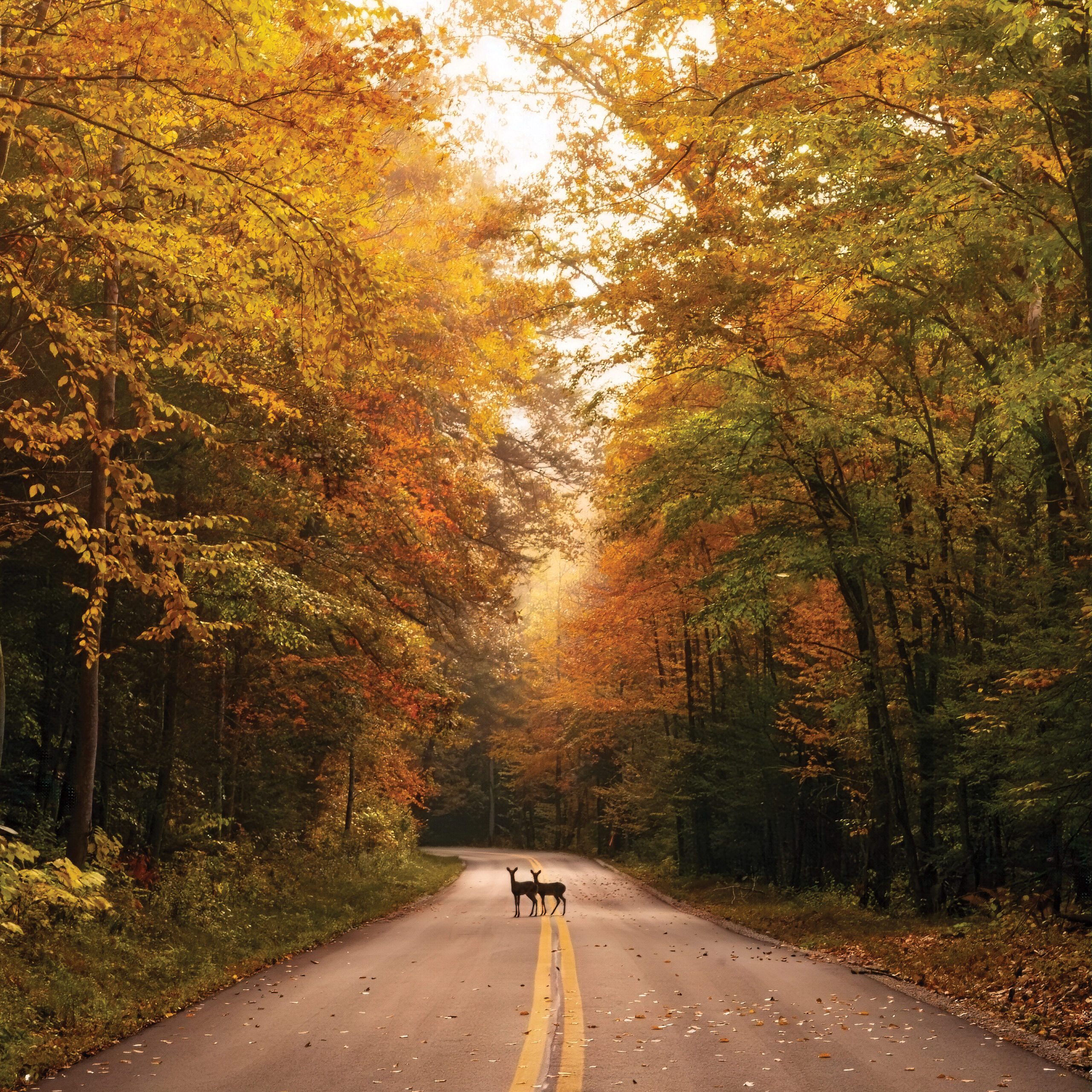
A conversation with wildlife photographer Tyler Evert.
This story was originally published in the October 2025 issue of Wonderful West Virginia. To subscribe, visit wonderfulwv.com.
Written by Stan Bumgardner
Photographed by Tyler Evert
Wildlife imagery entrances us. It motivated the earliest cave drawings some 44,000 years ago, and it continues to inspire. This is undoubtedly why so many of us love this magazine and what drives us to become amateur photographers. If you’re like me, though, you’ve probably tried many times to capture what you think will be a perfect shot of a deer or songbird, only to be underwhelmed by the final results.
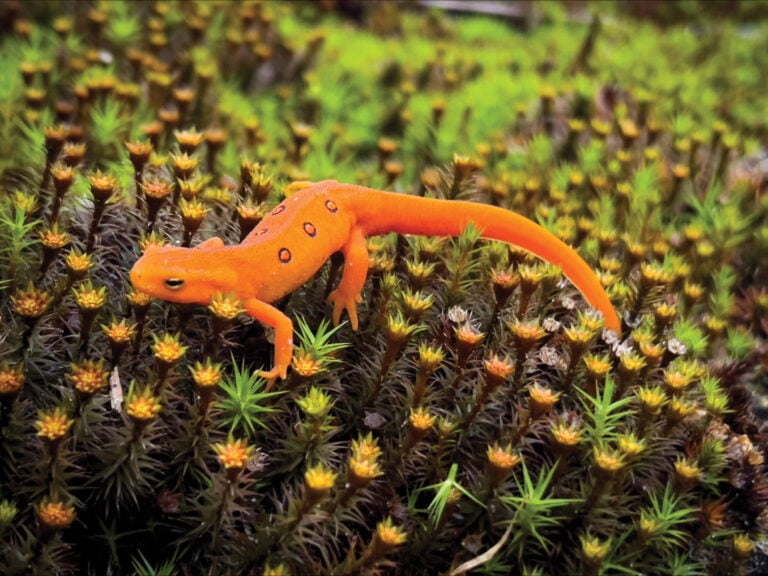
Great wildlife photography takes more than luck, and few do it better than Tyler Evert, a gifted photographer for the West Virginia Department of Commerce. Evert’s work builds upon the work of his predecessors—photographic artists such as Arnout “Sonny” Hyde, Stephen J. Shaluta, and David Fattaleh. Their work has filled this magazine for decades.
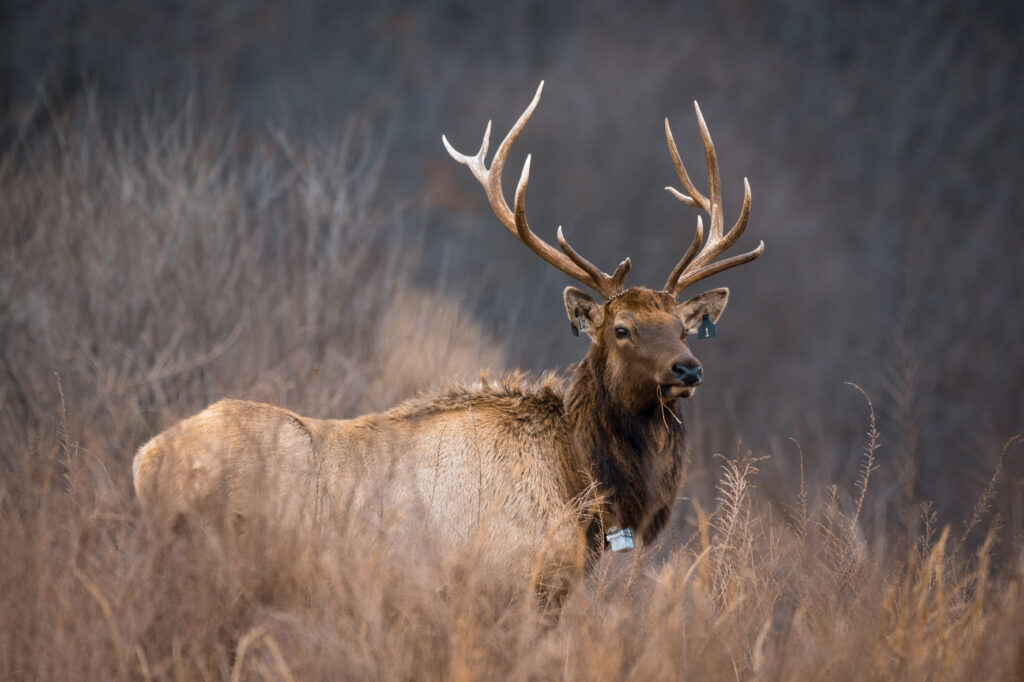
With over 25 years as a professional photographer, Evert credits much to experience and lifelong learning. A Hampshire County native, he photographed wildlife across 42 states by age 19—Alaska caribou, coastal brown bears, grizzly bears, alligators, you name it—before returning home for a while to study journalism at West Virgina University. Then, after a stint in snowy Minnesota, he knew West Virginia was where he truly belonged: “Everybody has to leave at least once to realize they need to come back.”
Before joining Commerce, where his work has been featured in countless ad campaigns for the West Virginia Division of Natural Resources and the West Virginia Department of Tourism, Evert shot for Charleston Newspapers and for the Culture Center, including Goldenseal magazine. Here, he shares 10 tips to help you shoot like a pro.
Tip 1: Find a Mentor
Evert first got into photography through 4-H after attending a conservation camp at Camp Caesar in Webster County when he was 16. “A gentleman by the name of Jim Clark gave a talk and passed out a couple of his books on the Allegheny Highlands,” Evert recalls. One photo—a low-angle shot of a snapping turtle, eye to eye—still sticks with him. Clark told him if he really wanted to take photos like that, “I’ll sponsor you to go to this conference in San Diego.” It was the 1999 North American Nature Photographers Association (NANPA) annual meeting.
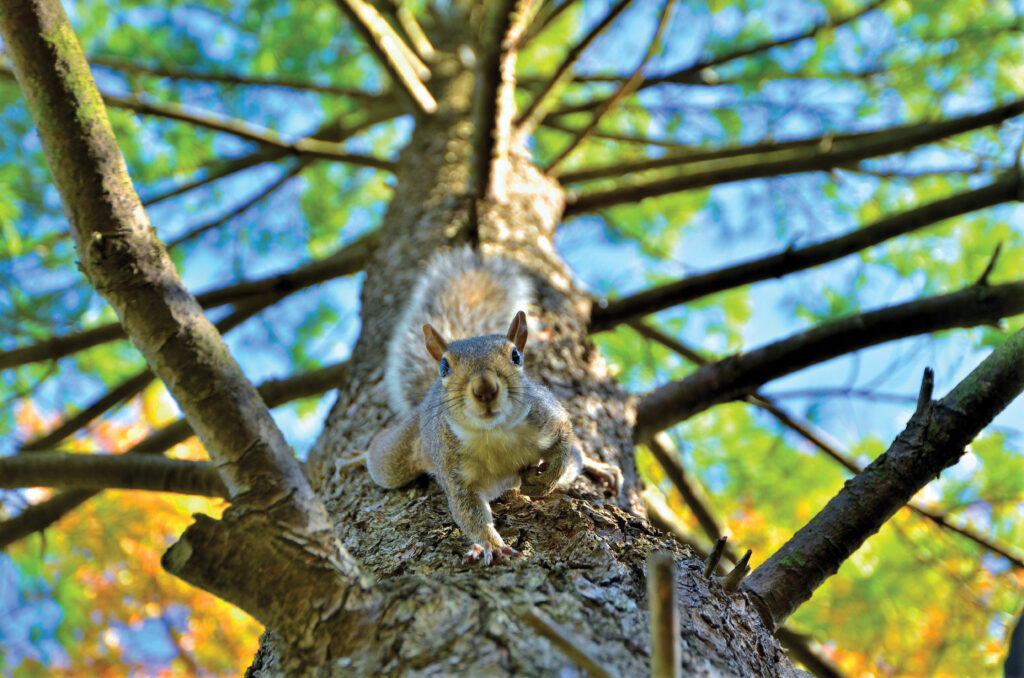
From there, Evert dove headfirst into his new hobby, eventually traveling the country with renowned photographers like the late Jim Brandenburg, the famed National Geographic “Wolf Whisperer.” “I just got lucky in that organization,” Evert says. “Photographers took me under their wing, mentored me, and a lot of times covered my travel expenses.”
His advice? Find someone whose work inspires you and ask questions. Most good photographers are happy to help others who share their passion.
Tip 2: Go Where Wildlife Are Used to People
Finding the wildlife, of course, is step one. Evert says location and timing are everything. State parks are ideal starting points; thanks to “no hunting” rules, animals tend to be less wary of humans. Your backyard might work, too, even in the city. Evert used to photograph some of his biggest bucks within Charleston’s city limits—until urban hunting was introduced. “I would literally drive around in the first two weeks of November and see them all over,” he says. Wherever you live or visit, gaze out your window just after dawn or around dusk, and the sights will amaze you.
Tip 3: Know Your Subject
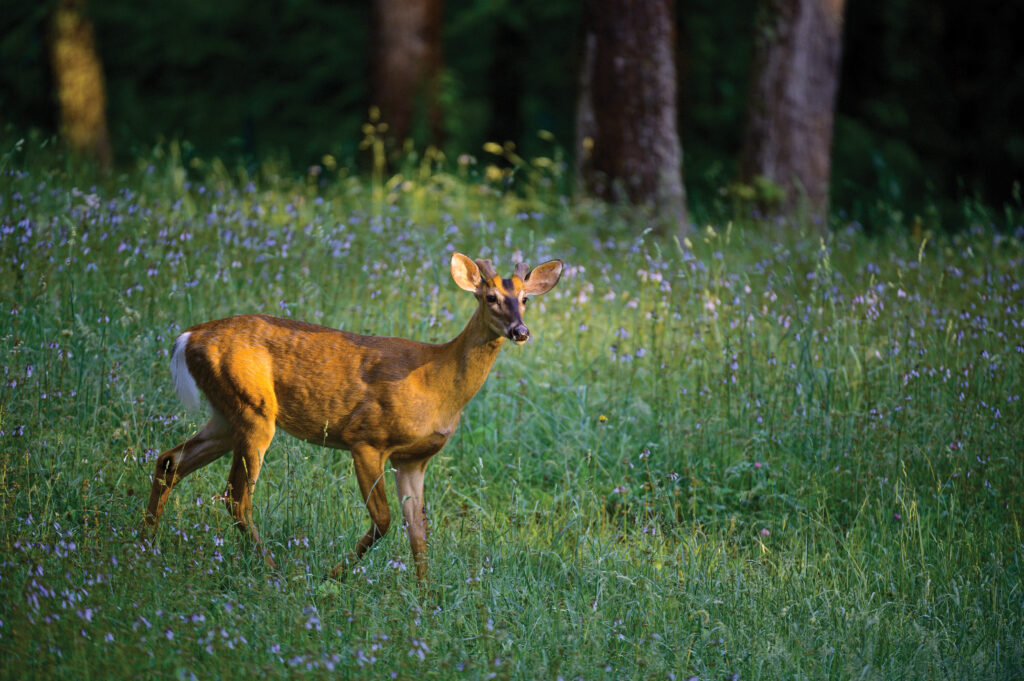
Once you find the animals, learning their lifestyles is key. “One of the big things is knowing animals’ habits: where they’re going to be, what they like to do and eat,” Evert says. Wildlife, not unlike people, change their looks throughout the year. For instance, deer in mid-summer are usually shedding and can be a bit on the scraggly side. Bears, on the other hand, are much more photogenic and active in summer.
He also points out that breeding seasons can yield especially striking images. Birds, in particular, show off their most vibrant plumage during mating season, trying to impress potential suitors. Some even develop brightly colored patches around their eyes that appear only during that time. Knowing these seasonal changes can help you get that once-in-a-lifetime shot.
Tip 4: Always Be Ready
As much as you might want to plan your photoshoots, wildlife—again, not unlike humans—don’t run on your schedule. No matter how much you plot, nature often catches you off-guard. That’s why Evert keeps a camera and a big lens in the passenger seat of his truck. “Some of my best shots happen right out the window,” he says. Animals don’t live their lives based on when we’re off work rooting around the woods, so always be prepared.
Tip 5: Get Up Early
Especially in summer, early mornings are the sweet spot. “Animals don’t like heat, just like we don’t,” Evert says. “They’ll be super active in the mornings.” He compares it to how dogs will hide under your porch or a vehicle in the peak heat of the day. Likewise, the waning minutes of the day, when the temperature begins to drop, are great for both the wildlife and the lighting, although on real scorchers, many animals stay sheltered until after sunset. Plus, early morning and dusk light are the most flattering—soft, golden, and dramatic.
Tip 6: Don’t Scare Them
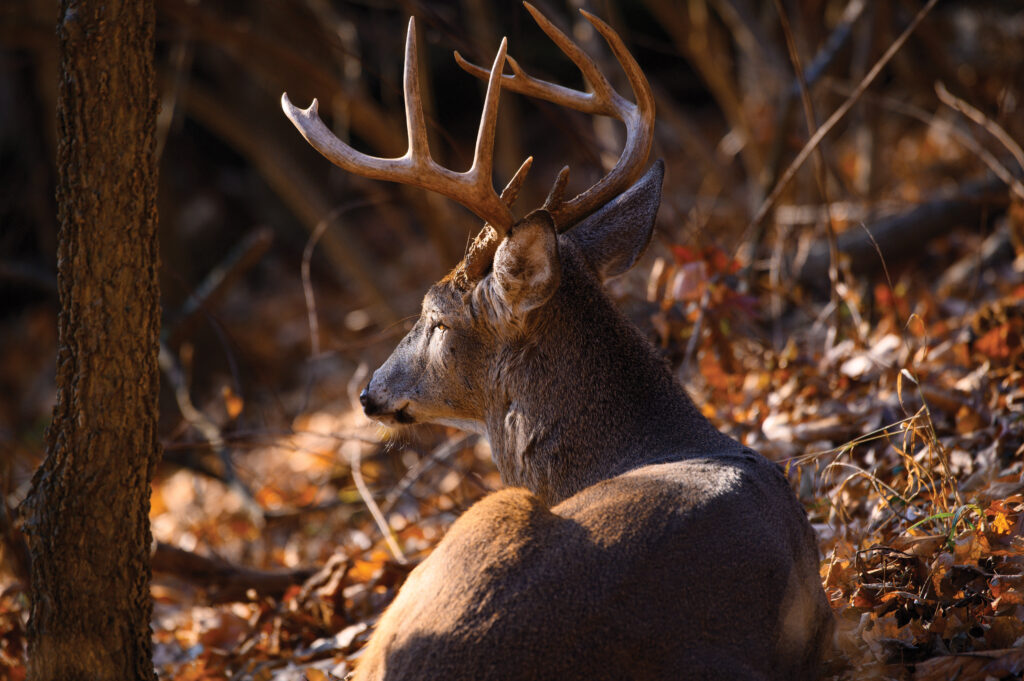
“Humans are naturally seen as a threat,” Evert explains. Even in parks where animals are more used to people, rushing toward them will trigger their flight instincts. “If an animal is running straight at you,” Evert says, “you’d probably be a little taken aback. So, flip your mindset. I tend to parallel wildlife for a long time.” Rather than approaching head-on, he walks alongside for a while from a distance, gradually working closer and closer, step by step. That gives the animal time to adjust. Evert used this approach to get a great photo of a mama bear and her cubs at Watoga State Park last year. Along this line, always respect their space. Sometimes, no matter how carefully you prowl, it just may be the wrong time for a photoshoot. The wildlife will let you know.
Tip 7: Go Low
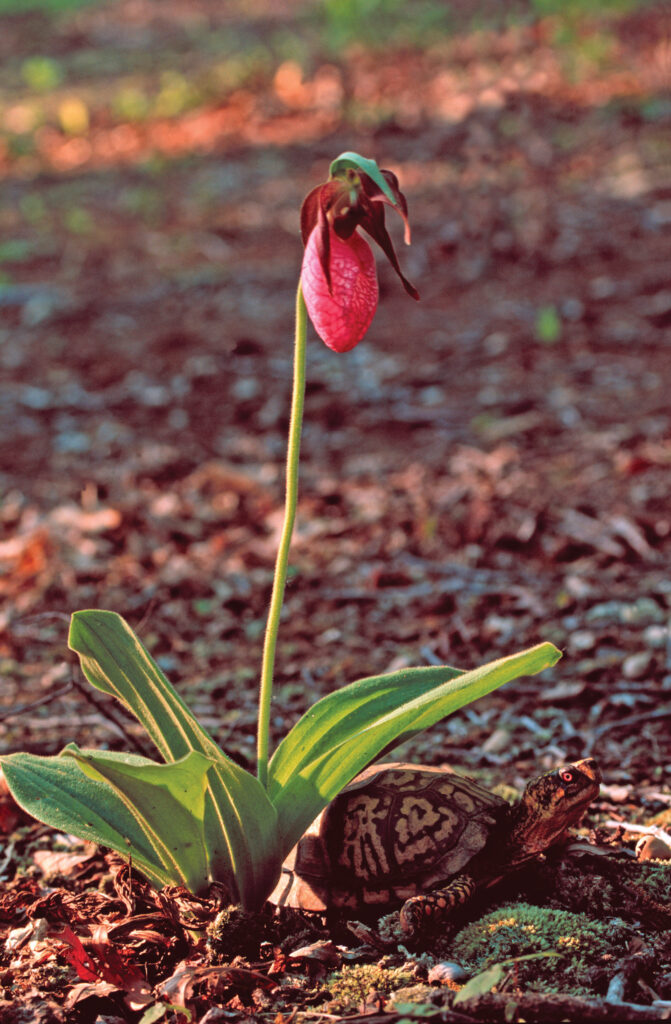
Keeping with the idea of non-threatening behavior, Evert recommends shooting from a lower angle—either kneeling or lying down. This not only puts the animal at ease but also makes for a more compelling image than aiming down at their head and back. “You want to shoot from their eye level or even below,” he says. “It also blurs the background and sharpens your subject. I always think back to Jim Clark’s great eye-to-eye photo of that snapping turtle. That’s the photo I always want.”
Tip 8: Check the Weather
Weather matters more than just being comfortable. Evert stresses the importance of understanding wind and thermal patterns. “In the mornings, thermals go uphill; in the evenings, winds go downhill—which helps animals detect you before you see them.” Hunters know this by instinct, but it’s crucial for photographers, too.
Camouflage may help, but scent control is even more important. “You can wear camo all day long, which does work to an extent, but if they smell you, you’re not getting the shot.” Most animals rely a lot more on smell than sight, so your aroma could ruin a perfect photo before you ever get the chance to take it.
Tip 9: Save Up
Great photos require more than skill. You’ll typically need some decent gear. While phone cameras can occasionally capture solid images, serious wildlife photography demands long lenses and fast apertures. Evert favors a moderately priced 70-200mm lens with a wide f/2.8 aperture. “It’s great for action and low light,” he says. But he admits that high-end gear can be cost prohibitive. “You’re talking $13,000 for a 2.8 lens vs. maybe $500–600 for a 5.6.”
Another tip? Buy used. Many top-of-the-line DSLR lenses from a few years ago are now affordable. Just make sure you have the right adapter for your camera system. With some smart shopping, you can build a solid setup for around $1,000–$1,500.
Tip 10: Keep Learning
Even after decades behind the lens, Evert is always learning from and admiring the work of his peers, both in person and through online communities. He praises the work of fellow West Virginia photographers like his colleague capturing unique perspective Eric Robbins; Reuben Browning, “an incredible bird and fish photographer,” from Boone County; and Lost Creek’s Curt Helmick, a 40-plus-year photography veteran and “legend of the white-tail deer world.” Many regions of the state also have thriving photography clubs where you can learn and share tips of the trade.
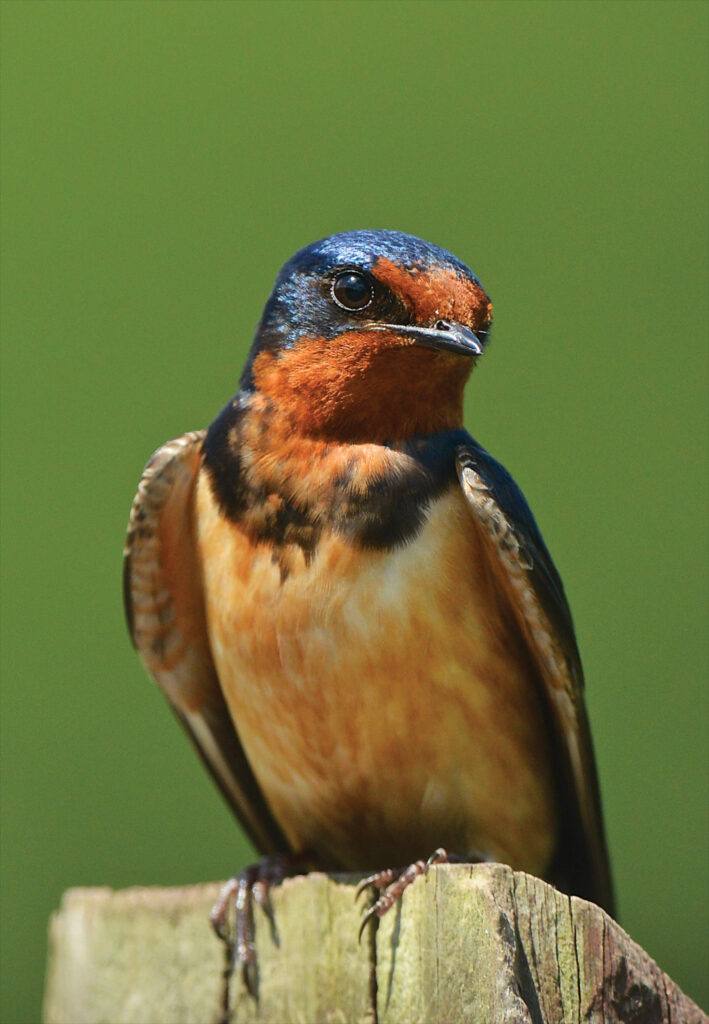
“It’s really the challenge of shooting wildlife that can be most rewarding,” Evert says. Unlike people, you can’t get animals to pose very often. But with enough skill—and a little luck—you might catch them in a perfect moment that’s worth framing.
 By
By 
 By
By