 By
By 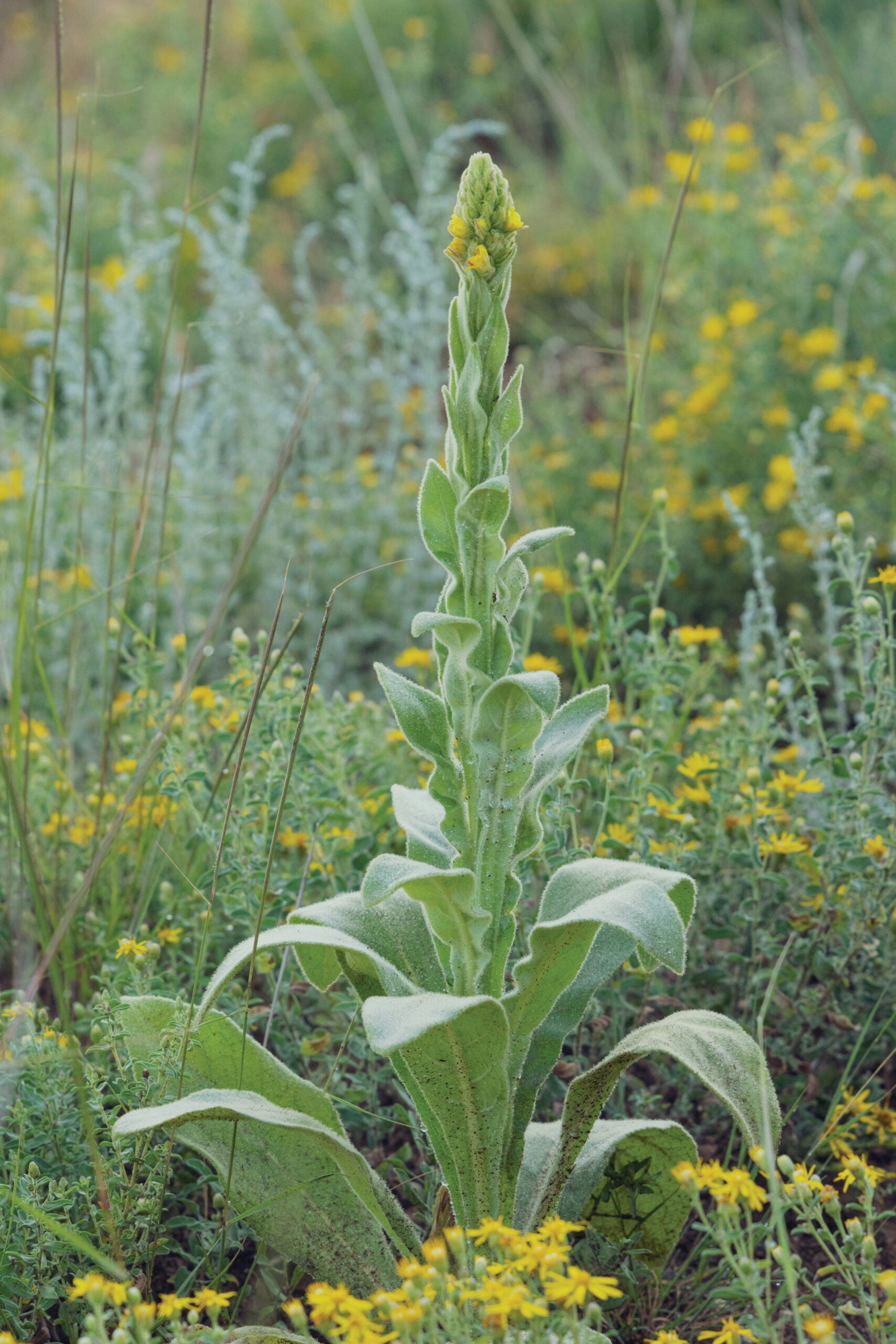
Herbal treatments can be found in West Virginia’s own forests.
Appalachian folk healing has been around since people first inhabited these mountains and valleys—a time when healers survived off the land and made use of the flora and fauna they shared the earth with. Over time, Native American knowledge and European practices blended into a tradition of using foraged plants to craft salves, tinctures, and other treatments for various ailments.
While a wide variety of plants and roots have been used historically, a few are still used throughout the state today.
Dandelion
Dandelions are most often recognized as pesky spring weeds that pop up faster than you can mow them down. However, when it comes to the usefulness of this sunny-hued plant, there is more than meets the eye.
Commonly found on the market in drinkable variants such as caffeine-free alternatives to teas and coffees, dandelions are used to aid digestion, support liver health, and even serve as a mild diuretic. They are also said to be full of nutrients and antioxidants.
Elderberry
You’ve probably seen elderberry products in the grocery store—teas, vitamins, tinctures, syrups, and so much more. The fruit of the elder plant, elderberries are a purple so dark that they appear black. They taste tart at first, with a hint of sweetness.
This native berry is said to support a healthy immune system and is often used as an herbal remedy for colds and the flu. However, raw elderberries can be dangerous if consumed in large amounts, so it is recommended that they be cooked and used as ingredients in products like teas or jellies.
Mullein
A slow-growing biennial plant, mullein has a long history of medicinal use across cultures and regions. Often spotted along the edges of sunny roadways, fields, and wooded areas, this plant is identified by its fuzzy, greenish-gray leaves and tall spike of yellow flowers.
Mullein has traditionally been used to alleviate symptoms of respiratory ailments, such as bronchitis and asthma. It can also break up mucus during a cold, helping with congestion as a natural expectorant.
Oils infused with mullein—often combined with garlic oil—are also commonly used for earaches, although careful use is recommended.
Many medical plants have toxic, poisonous, or even deadly look-alikes. Forage and use plants carefully—and responsibly—at your own risk. Always speak with your health care provider before adding any herbal supplement, product, or remedy to your diet to avoid negative counteractions or reactions.
Removing, cutting, or gathering wild plants from state parks and forests as well as wildlife management areas is strictly prohibited without prior permission from the West Virginia Division of Natural Resources.

 By
By 
 By
By