 By
By 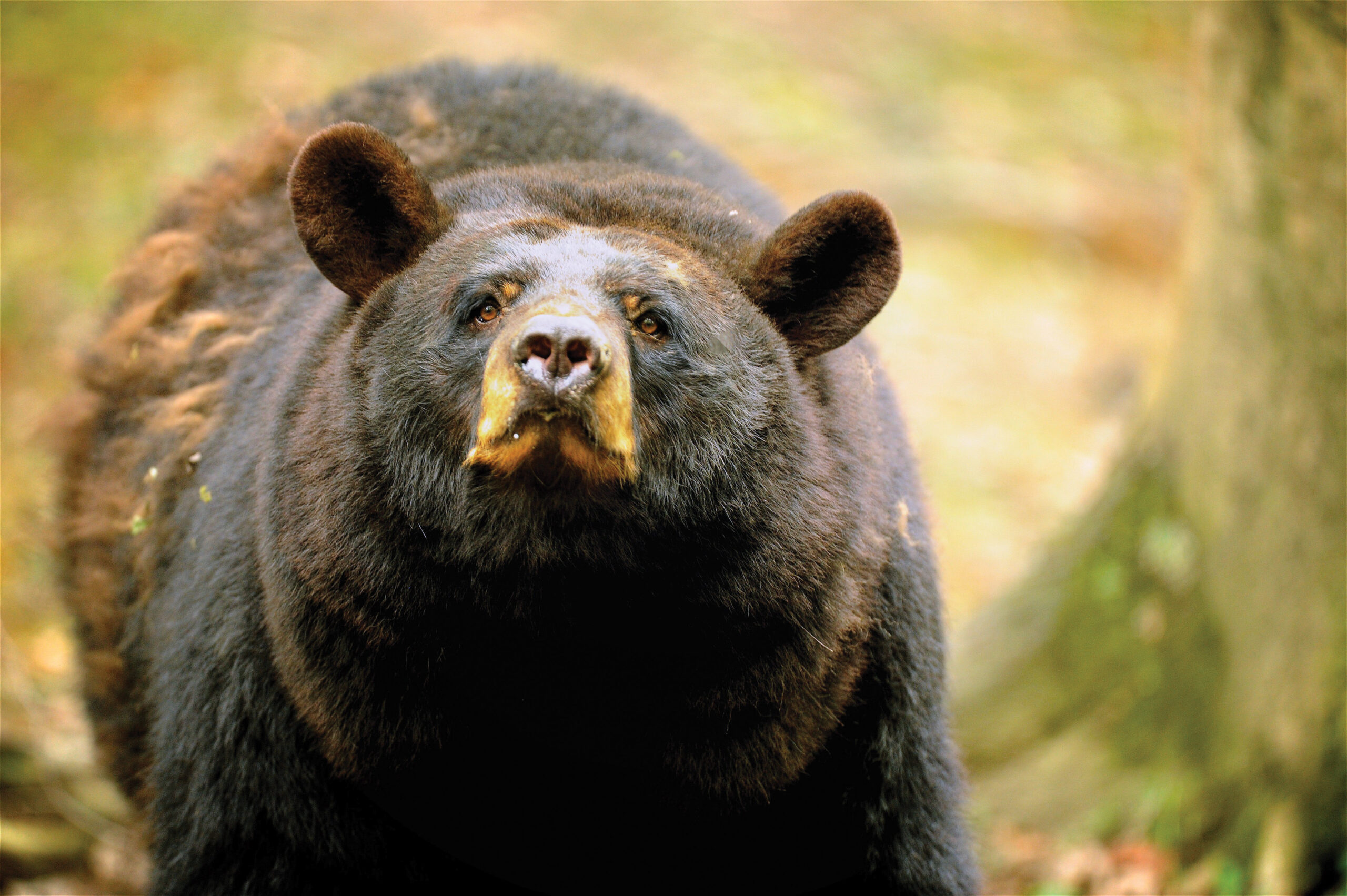
From 3,000-mile migrations to six-month hibernations, learn how West Virginia’s wildlife beat the chill.
This story was originally published in the November 2025 issue of Wonderful West Virginia. To subscribe, visit wonderfulwv.com.
Written by Laney Eichelberger
Photos Courtesy of West Virginia Department of Commerce
In winter, we West Virginians ski on snow-covered slopes and curl up in cozy mountain cabins. We also make 3,000-mile treks and bury ourselves in layers of toasty leaf litter, shutting down most of our major bodily functions—at least, the wildest among us do.
Winter may look still and silent, but beneath the surface, animals in every corner of the Mountain State are drawing on age-old adaptations to survive the season.
Life is Cold There
In November of 1950, West Virginia experienced its largest snowstorm in recorded history: the Great Appalachian Storm. Major cities like Charleston, Parkersburg, Clarksburg, and Elkins saw record-breaking snowfall, with some areas reporting upwards of five feet. Beyond snowfall, the Mountain State has seen its fair share of chilly days—in 1917, temperatures in Lewisburg dropped to 37 below zero, and the Ohio River reportedly froze solid enough for some brave ice skaters to dance across its surface.
Old Man Winter isn’t always so harsh—these extreme outliers represent the highly variable weather conditions made possible by the state’s unique topography. The mean elevation of West Virginia is approximately 1,500 feet above sea level, with Spruce Knob, the state’s highest point, reaching nearly 5,000 feet. These differences in elevation are responsible for much of the precipitation and temperature fluctuations found between the southwestern lowlands—where annual snowfall ranges from 12 to 24 inches—and the mountains, where upwards of 70 inches of snow falls each year.
With conditions like these, it’s no surprise that our furry, four-legged, and feathered neighbors have evolved some wild ways to make it through long, cold winters—after all, they can’t turn up the heat and make a cup of hot cocoa. Instead, West Virginia’s wildlife employ a few techniques honed over thousands of years: tolerance, migration, and dormancy.
Weathering Winter Weather
Some animals’ attempts to tolerate the winter months are apparent. The snowshoe hare is one species to employ physical adaptations like large, furry hind legs and short ears—the latter an example of Allen’s rule, where animals in colder climates evolve shorter extremities to conserve heat.
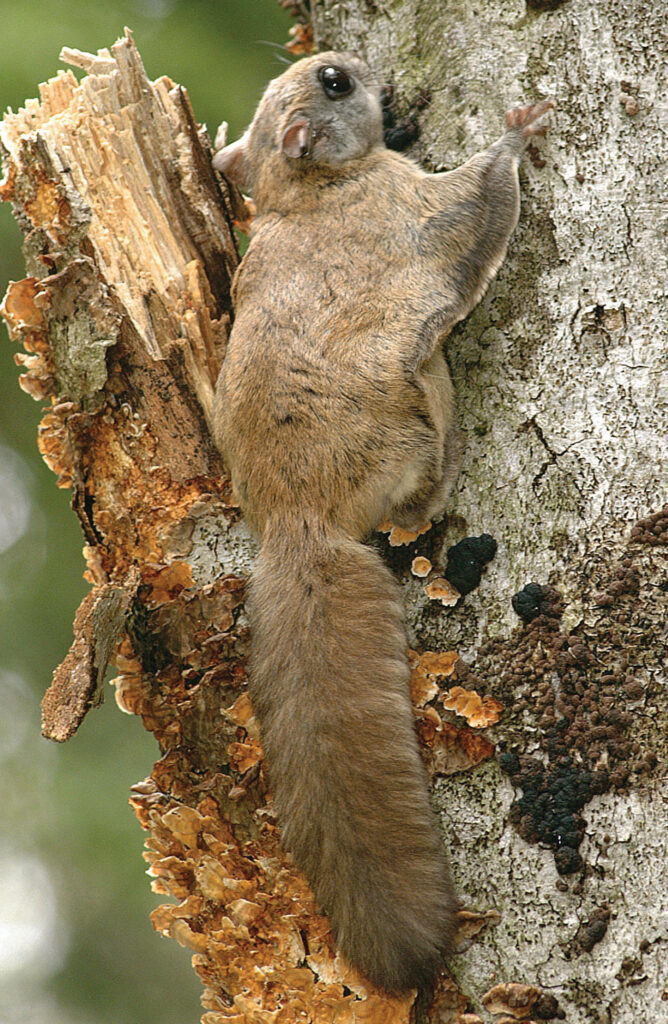
Beyond physical traits, many species tolerate the season with special behaviors. The southern flying squirrel is something of a social butterfly, gliding between the trees and foraging for nuts in groups. As temperatures decline, this behavior increases. Take a peek into a tree cavity or a bird box and you might find dozens of southern flying squirrels nesting together to conserve energy. Warmth isn’t the season’s only resource in short supply—southern flying squirrels, among other species, begin stashing acorns and other seeds in late summer.
Beyond fighting for limited resources, another strategy is to seek greener pastures. “Some animals can be considered partial migrants, where only some individuals in the population will move south,” explains Mack Frantz, Wildlife Diversity and Natural Heritage Zoologist for the West Virginia Division of Natural Resources (WVDNR). “That’s because it has less to do with the temperature and more to do with being able to find food. Some individuals will remain residential and feel like they can still find the resources they need, while others move further south.”
Birds aren’t the only flying creatures that migrate. West Virginia is home to the only butterfly known to undertake a long-distance, two-way migration: the monarch butterfly. It’s a multigenerational trek from as far as southern Canada to the mountains of Mexico, motivated by the species’ inability to survive the cold winters of northern climates.
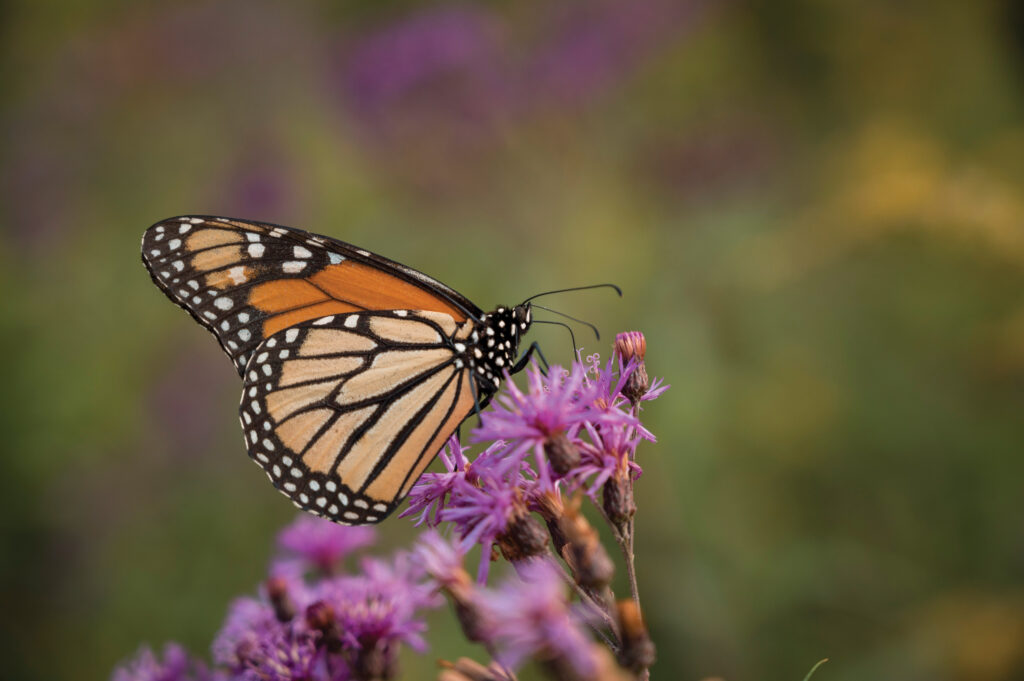
Between July and November, the monarch butterfly “super generation”—the generation to complete the southward migration, traveling up to 100 miles a day to cover more than 3,000 miles in total—makes its way through West Virginia. For its beauty and abundance, this evolutionary marvel was adopted as West Virginia’s state butterfly in 1995. So, next time you cross paths with a monarch butterfly, be sure to wish it a safe journey.
Of the three main adaptations for surviving winter, the variability of hibernation strategies makes it the most complex, according to Frantz.
Hibernation includes short- or long-term states of dormancy or inactivity. It’s not as easy as snuggling up for a three-month nap—in fact, most of West Virginia’s wildlife aren’t true hibernators. Instead, many mammals, like southern flying squirrels and black bears, enter a state of torpor, during which metabolism slows to conserve energy but the animal still has periods of activity. Others, like the woodland jumping mouse, experience true hibernation.
“True deep-sleep hibernators like the woodland jumping mouse will eat more food at the end of summer to build their fat reserves, and then in fall, they will enter a state of complete dormancy for about six months, when everything is shut down except for brain wave activity,” explains Frantz. “That brain wave activity has to happen every couple of weeks to keep the body alive.”
But even the most time-tested adaptations aren’t foolproof, and some species have found themselves at risk of falling behind in the face of changing conditions.
No Bad Season
Even if you’re not a scientist, paying attention to what animals are moving through your area can help you stay connected to nature when you really just want to stay connected to your heated blanket. “There’s no bad season—just inappropriate dress attire,” says Frantz.
To stay in-the-know on your wild neighbors’ wintertime habits, consider these other strategies:
- Set up a game camera.
- Learn to identify wildlife from their scat or tracks.
- Participate in community science events like the Christmas Bird Count.
- Use apps like iNaturalist to identify and report sightings of the species you observe.
That Coat Is So Last Season
“We are definitely seeing warmer periods during winter, with an increased frequency of snowmelt in the middle of the snow season,” says Frantz. Snowshoe hares use more than just their short ears and furry hind legs to weather the season—they also rely on camouflage. During the warmer months, the snowshoe hare’s coat mirrors the rocks and dirt of its forest habitat. When the days grow colder, it trades its brown summer coat for an insulated, snow-white one.
As temperatures trend warmer, however, the species’ adaptations are struggling to adapt. In collaboration with Ohio University’s Marketa Zimova, assistant professor, and her graduate student, Jeremy Fuller, WVDNR discovered inconsistencies in the camouflage of regional snowshoe hare populations.By setting up camera trap sites year ’round, the WVDNR is assessing the timing of summer-to-winter coat changes, the duration of these changes, and the number and location of individuals exhibiting inconsistencies.
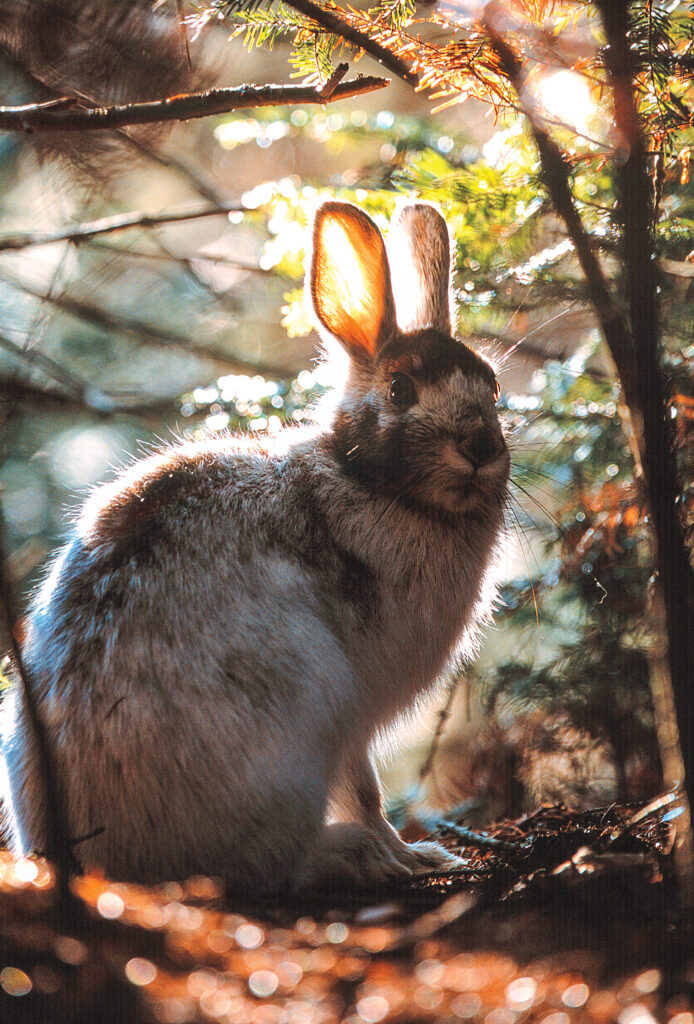
“We have found that, in West Virginia and Pennsylvania populations, there is a lot more phenological mismatch with the environment compared to other northeastern states,” Frantz explains. “Some snowshoe hares are remaining in transition, both white and brown, in the middle of winter. This is likely driven by more frequent midwinter snow melts, so that is just one animal experiencing camouflage mismatch because of warmer winters.”
Transformative coat colors, mass insect migrations, and colonies of cozy rodents are just the tip of the iceberg when it comes to outsmarting the coolest season. This winter, seek slope-side thrills and seasonal retreats, but spare some time to check in with West Virginia’s wildest residents—you might gain a greater appreciation for your own creature comforts.
The Very Woolly Caterpillar
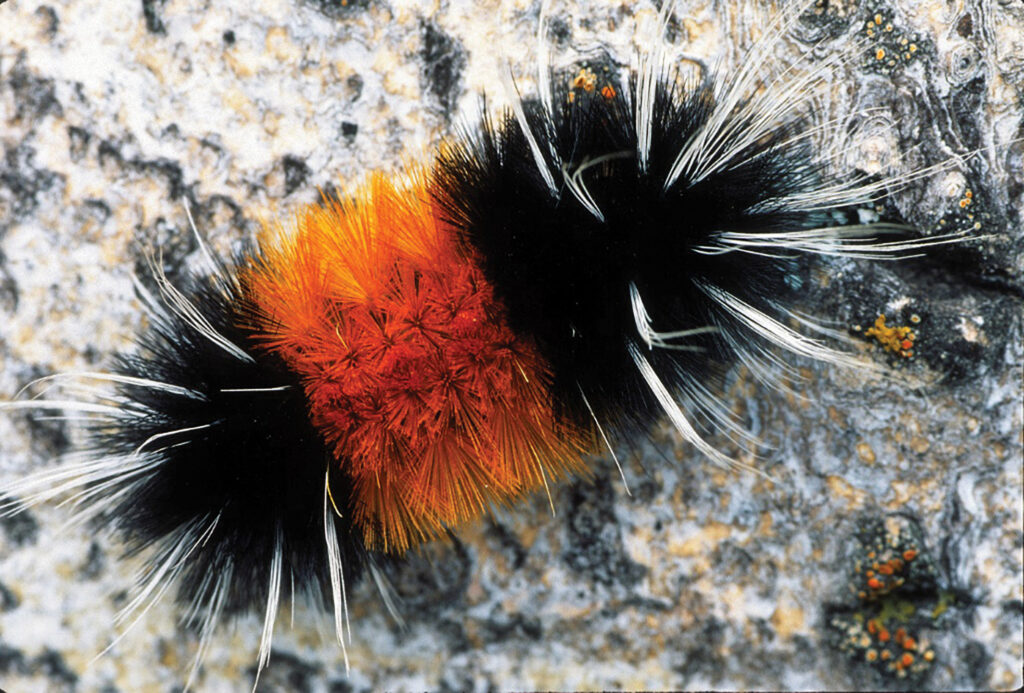
It’s early fall, and you’ve just spotted a 2-inch ball of fuzz worming its way across the sidewalk. It might be small, but its power is mighty—this caterpillar has the ability to predict the future. At least, that’s what folklore claims. The woolly bear caterpillar, the larval stage of the Isabella tiger moth, is known for the distinct color patterns of its 13 body segments—corresponding to the
13 weeks of winter, according to legend.
First, check which direction the caterpillar is crawling. If its destination is southward, it is attempting to escape the cold conditions to come. If it is making its way north, the winter will be mild. Then, assess its coloration. The rust-colored band in the middle of the caterpillar’s body is said to indicate warm weather, while the black bands represent cold weather. More brown? A mild winter. More black? Frigid days to come.
“People are aware that it’s not true, but they like to hold onto the belief because it’s a fun game—including me,” says Frantz. “Just for fun, I will also take note of how many are fully black or fully brown or both.”
More than likely, this humble caterpillar is not on a journey to herald the severity of the encroaching season. Rather, it has left its host plant and is searching for a spot to hunker down and wait for spring, when it will form a cocoon and emerge as an orange and yellow Isabella tiger moth.

 By
By