 By
By 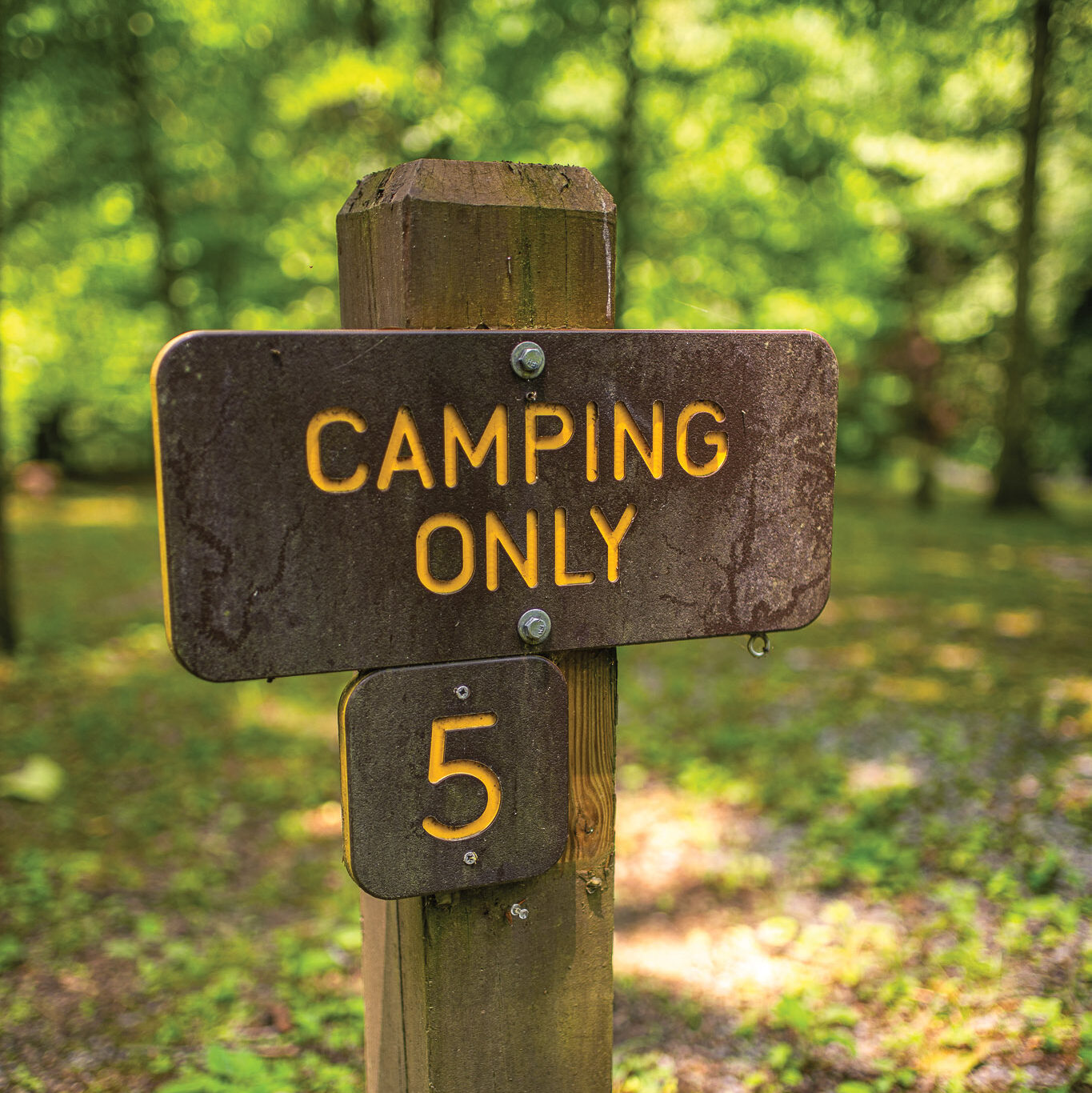
November is a season of preparation—both for people and for the wildlife that call our state home. I’m excited to share this issue of Wonderful West Virginia with you as we highlight the resilience of nature and the heritage that continues to shape our communities.
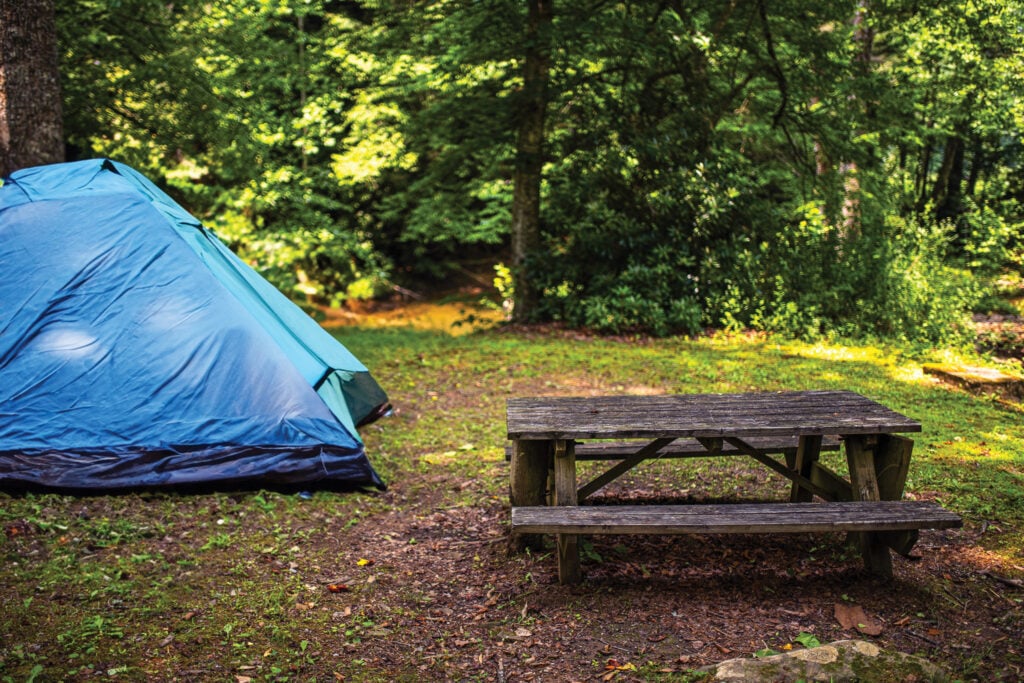
Panther State Forest was my first assignment after I began working for the Parks and Recreation Section. During my time there as both assistant superintendent and superintendent, I had the opportunity to experience firsthand the hidden gem that Panther is. Now known as Panther State Forest and Wildlife Management Area, it continues to be a great public hunting area in a West Virginia bow only county. I hope you have the opportunity to visit its rugged terrain and mountainous beauty where you can experience both recreation and solitude while connecting with the land and its wildlife.
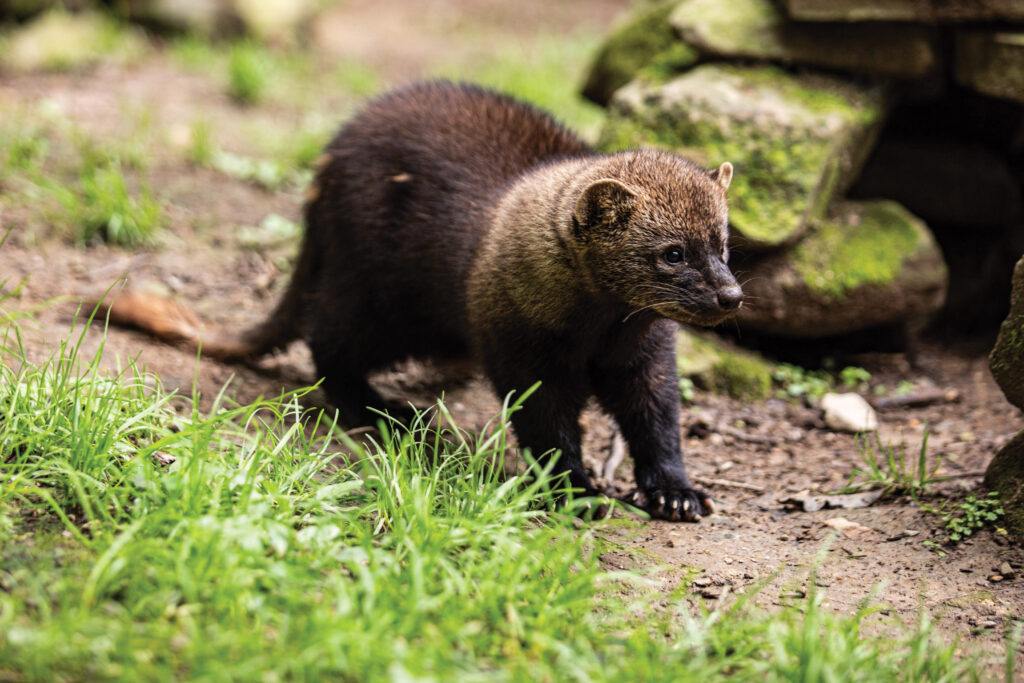
Please enjoy learning about one of the Division of Natural Resource’s conservation successes, the reintroduction of the fisher, a small but mighty member of the weasel family on page 14. Once absent from our forests, fishers now thrive again in our state, a living reminder of the importance of restoring balance to the natural world. Their return is a testament to what is possible when we invest in wildlife management and habitat protection.
Equally important to our story as West Virginians is the preservation of our cultural treasures. The National Coal Heritage Area recognizes the enduring impact of coal on our people and landscape, honoring the workers and communities who built their lives around this resource. In the same way that we protect wildlife, we also strive to safeguard the stories and heritage that define our state. This month, I’m excited to share with you one program that makes certain those pieces of West Virginia’s history remain available for everyone. I hope you’re inspired to take your own tour of the Area and Trail.
Nature itself offers remarkable lessons in preparation. From bears fattening for hibernation to songbirds making their long journeys south, each species finds its own way to endure the cold months ahead. Observing these behaviors reminds us that the rhythms of the natural world are both timeless and vital. Please enjoy learning more about how wildlife prepares for the upcoming winter on page 4.
As you read through this issue, I hope you feel inspired by the stories of resilience—of people, heritage, and wildlife—that continue to shape West Virginia.
Brett W. McMillion, Director
Division of Natural Resources

 By
By