 By
By 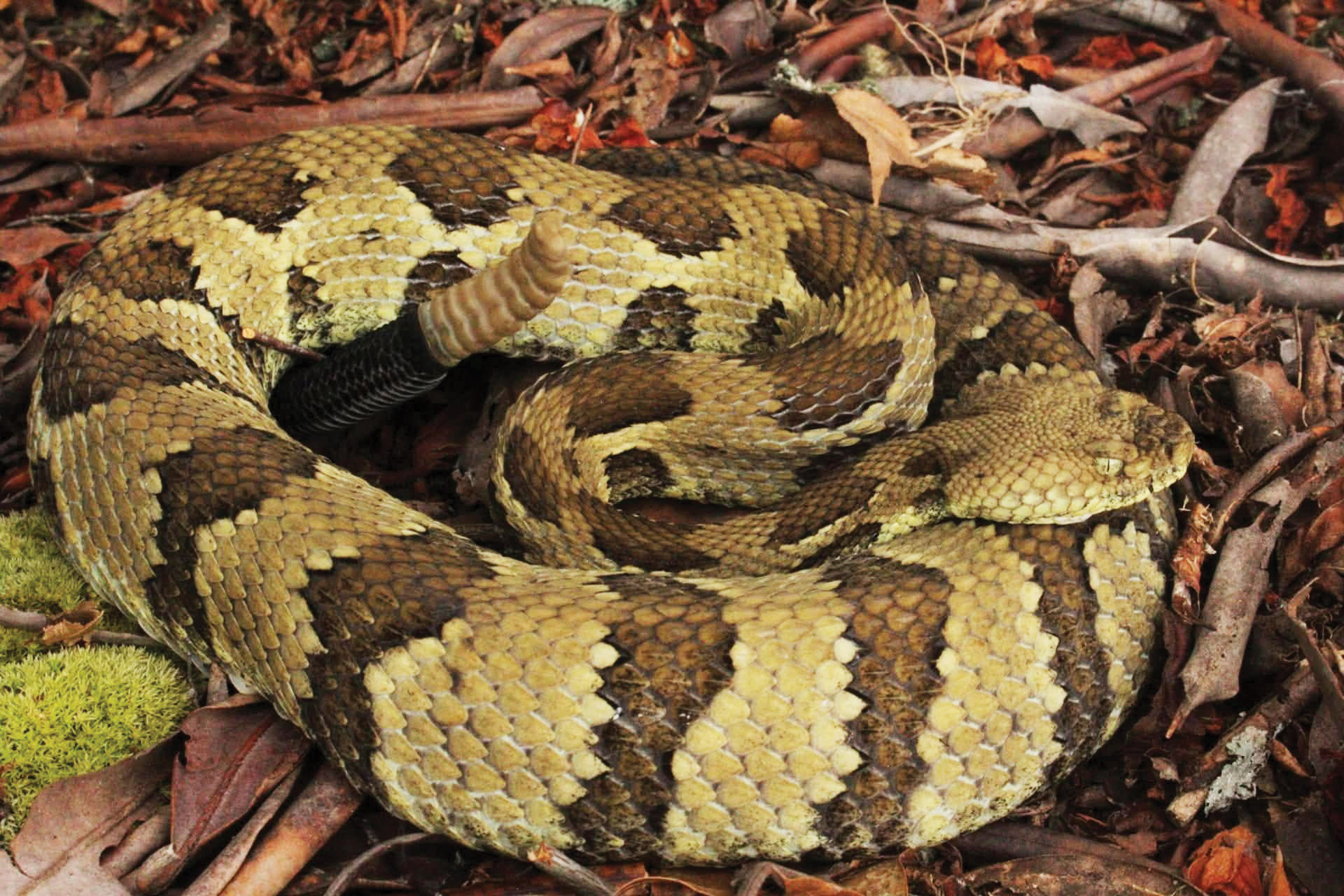
West Virginia’s most misunderstood predator.
This story was originally published in the August / September 2026 issue of Wonderful West Virginia.
Subscribe here.
Written by Maddi Giles
Photographed by Jackson Hildreth
Most people don’t get excited about spotting a rattlesnake. In fact, many would rather not see one altogether. Yet, the West Virginia Division of Natural Resources (WVDNR) asked residents to take a second look at one of the state’s most misunderstood creatures: the timber rattlesnake.
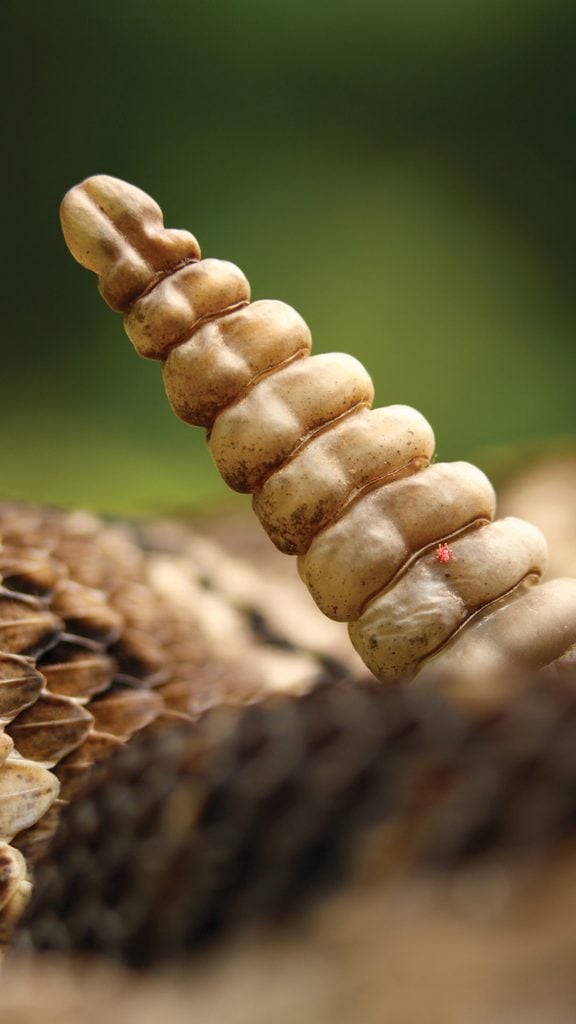
Timber rattlesnakes are among West Virginia’s top forest predators. Growing up to four feet long, these snakes are known for their wide heads, narrow necks, and signature rattle. They’re venomous but are usually docile and prefer to avoid people unless they feel threatened. By feeding on mice, chipmunks, and other small mammals, these predators help keep populations in check and reduce the spread of diseases that are carried by those animals—diseases like Lyme disease and hantavirus pulmonary syndrome.
Between January 2017 and January 2019, the WVDNR collected 485 verified citizen science reports of timber rattlesnake sightings. Each report was vetted by a biologist to build an accurate distribution map and develop statistical models forecasting snake populations and their range. While the data shows that timber rattlesnakes still inhabit much of central and eastern West Virginia, it also indicates their overall historic range has slightly contracted.
By analyzing the data, biologists identified “Priority Outreach Areas”—high-traffic locations like busy trails, parks, and public lands where people and snakes frequently cross paths. In these zones, targeted educational signs and brochures now teach visitors how to stay safe while respecting the wildlife. These findings were shared with Partners in Amphibian and Reptile Conservation (PARC) to help shape a comprehensive, multi-state action plan focused on science-based habitat management and population conservation.
To protect both yourself and the species, the WVDNR reminds hikers to remain alert on the trail, stick to clear paths, wear high boots, and use a walking stick to probe ahead. Never place your hands or feet where you cannot see, step directly onto logs rather than blindly over them, and maintain extra vigilance when recreating in the mountainous, rocky areas that rattlesnakes prefer. If you encounter a rattlesnake, freeze immediately to locate it, and then observe from a safe distance of 5 to 10 feet. Despite their intimidating reputation, they play an important role in the state’s ecosystem.
Things You Might Not Know About Timber Rattlesnakes
- They’re patient! Rattlesnakes are ambush predators that sometimes stay frozen in place for days while they wait for prey to walk by.
- They’re bigger than you might think: Adult timber rattlesnakes can grow up to four feet long, making them one of West Virginia’s largest snake species.
- Babies come ready for the world. Unlike many reptiles, timber rattlesnakes don’t lay eggs. Their babies are born alive, complete with tiny fangs, venom, and a miniature “button” that eventually becomes a rattle.
- They’re homebodies! Timber rattlesnakes often return to the same den sites year after year and can spend their entire lives within a relatively small area

 By
By