 By
A Natural Resources Police Officer shares insights for hunting safely and responsibly.
This story was originally published in the October / November 2026 issue of Wonderful West Virginia.
Subscribe here.
Written by Taylor Maple
Photos Courtesy of West Virginia Department of Commerce
Hunting in West Virginia is a practice as old as the hills themselves. From the first Native Americans who tracked creatures through an ancient land to the settlers who came across the ocean in search of a new, abundant world to the people whose alarm clocks wake them up in the early hours of a modern morning, the tradition is a shared lineage binding them all together.
Important to the continued longevity of hunting in the state are the people who ensure that hunters do their work safely and sustainably, helping keep the land healthy and bountiful for even more generations to come. The state’s Natural Resources Police Officers, part of the oldest statewide law enforcement agency, serving the state since 1897, are tasked with this challenge.
A Day in the Life
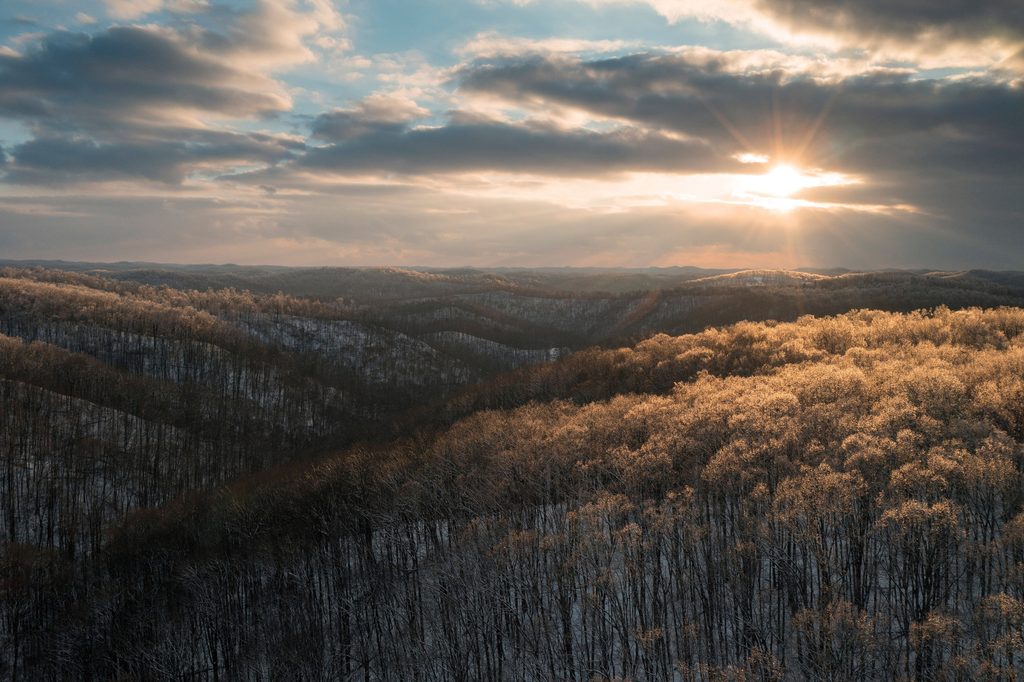
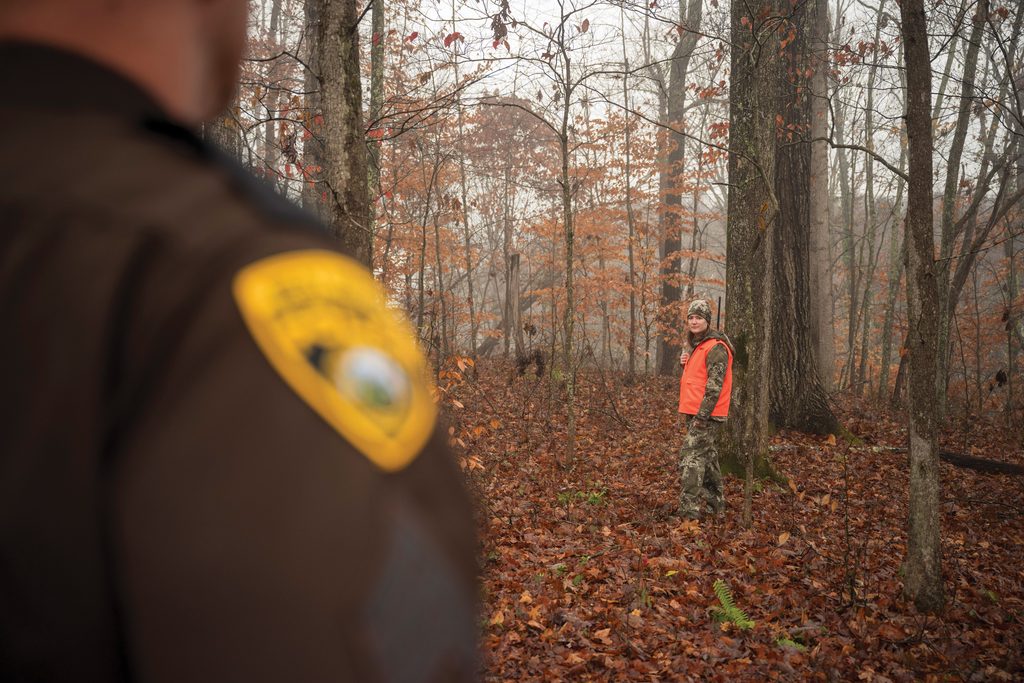
“A typical day during deer season, we would be out patrolling, I always say, God’s Country—wild, wonderful West Virginia,” says Officer Adam Kuykendall, an NRPO sergeant since 2019. “We’re looking for compliance with West Virginia state laws. We’re going out, we’re building a rapport with the community, so we’re out there protecting and serving the community and the natural resources that the state has.”
While they might be able to anticipate the general nature of their work, no two days are ever exactly alike. “Every day is different. That’s what I love about being a Natural Resources Police Officer,” Kuykendall says. “Each day has its own challenges.”
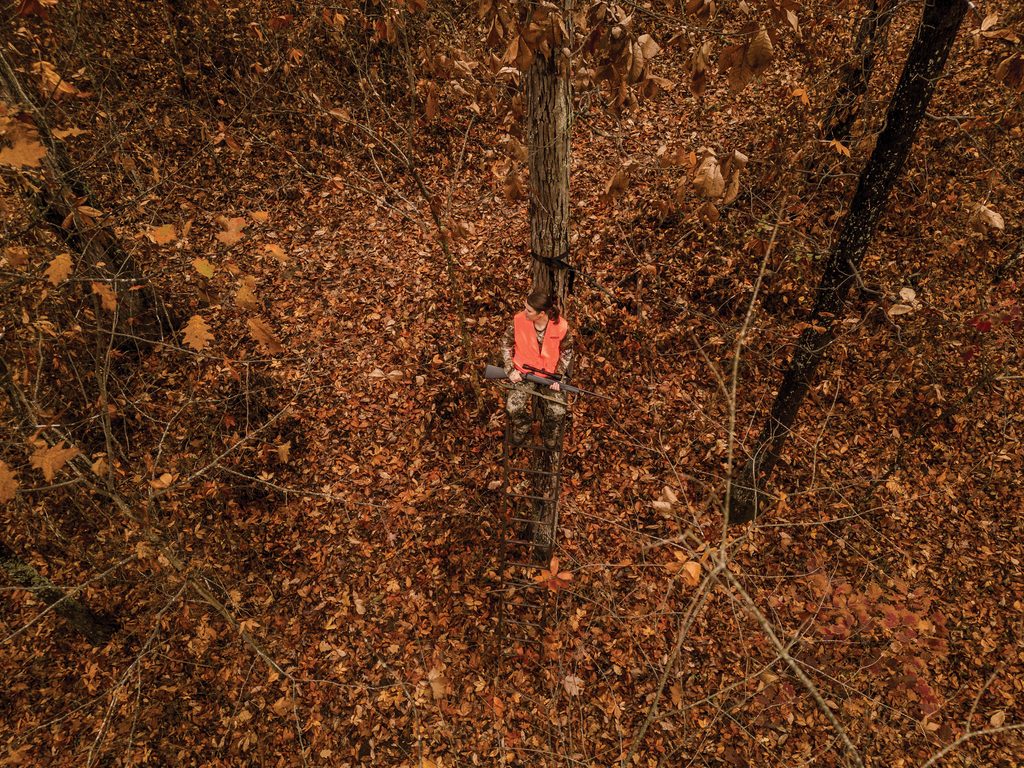
Officers heading out are assigned to a specific part of the state, which is divided into six districts, each with three “sergeant areas” of two to four counties within them. They’ll conduct routine patrols of hunting areas if possible, enforcing the laws every responsible hunter should be familiar with. Hunters must use the approved equipment for the season, must complete a field tag after killing a deer, must wear blaze orange outer garments to ensure other hunters can see them clearly, and must abide by a daily and/or season limit of deer.
During a busy season, Kuykendall says, most of their work isn’t about routine patrols—it’s about responding to calls. “Most of our calls are about hunting without permission,” he says: folks calling in to report someone on their land. And then there are the opportunists we call poachers, he says. Poaching is often thought of as illegally killing endangered animals for their valuable byproducts, but it also includes activities like shooting a trophy buck from a vehicle. Social media has unfortunately incentivized some to poach deer for a “selfie moment,” the West Virginia Division of Natural Resources notes on its website. Restrictions are strict when it comes to hunting antlered deer, and illegal hunting could cost a hunter thousands of dollars in fines.
Rapidly changing technology also sometimes adds to the list of things officers need to stay on top of when patrolling the land or responding to calls. “It’s illegal to use the spotlight, artificial light, and thermals when you’re hunting deer,” Kuykendall says. “That’s one of the things we’ve been running into recently—as the times change and equipment gets better, so do the people out there that are doing it illegally.”
Sometimes, Natural Resources Police Officers are also called into potentially dire, time-sensitive circumstances, like searching for a missing hunter or responding to a natural disaster. “We do search and rescues from time to time, and we have special units,” Kuykendall says. “Our men are very, very trained in going out and locating a lost hunter or an injured hunter.” This highlights the need for officers to have a diverse knowledge base—not only of the state’s natural resources, habitats, ecology, and animal populations, but also in rescue techniques.
And of course, a big part of the work they do is being visible within the areas they serve, helping citizens feel comfortable coming to them for help or reporting those who are breaking the rules, and using their presence to deter would-be criminals from engaging in bad behavior. “The game warden has to build a rapport, a relationship with the community it serves, and we do,” he says. “We’re very good at that.”
Advice for the Field
Kuykendall has plenty of advice for those hoping to avoid being the hunter who becomes lost or injured when out during deer season.
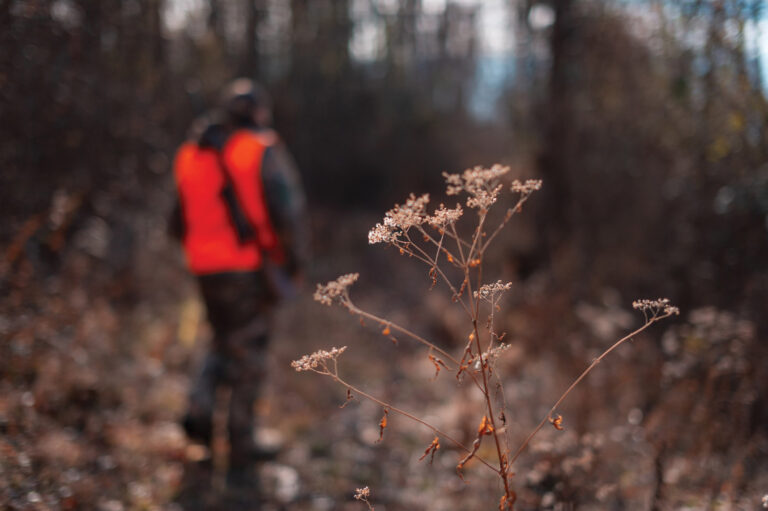
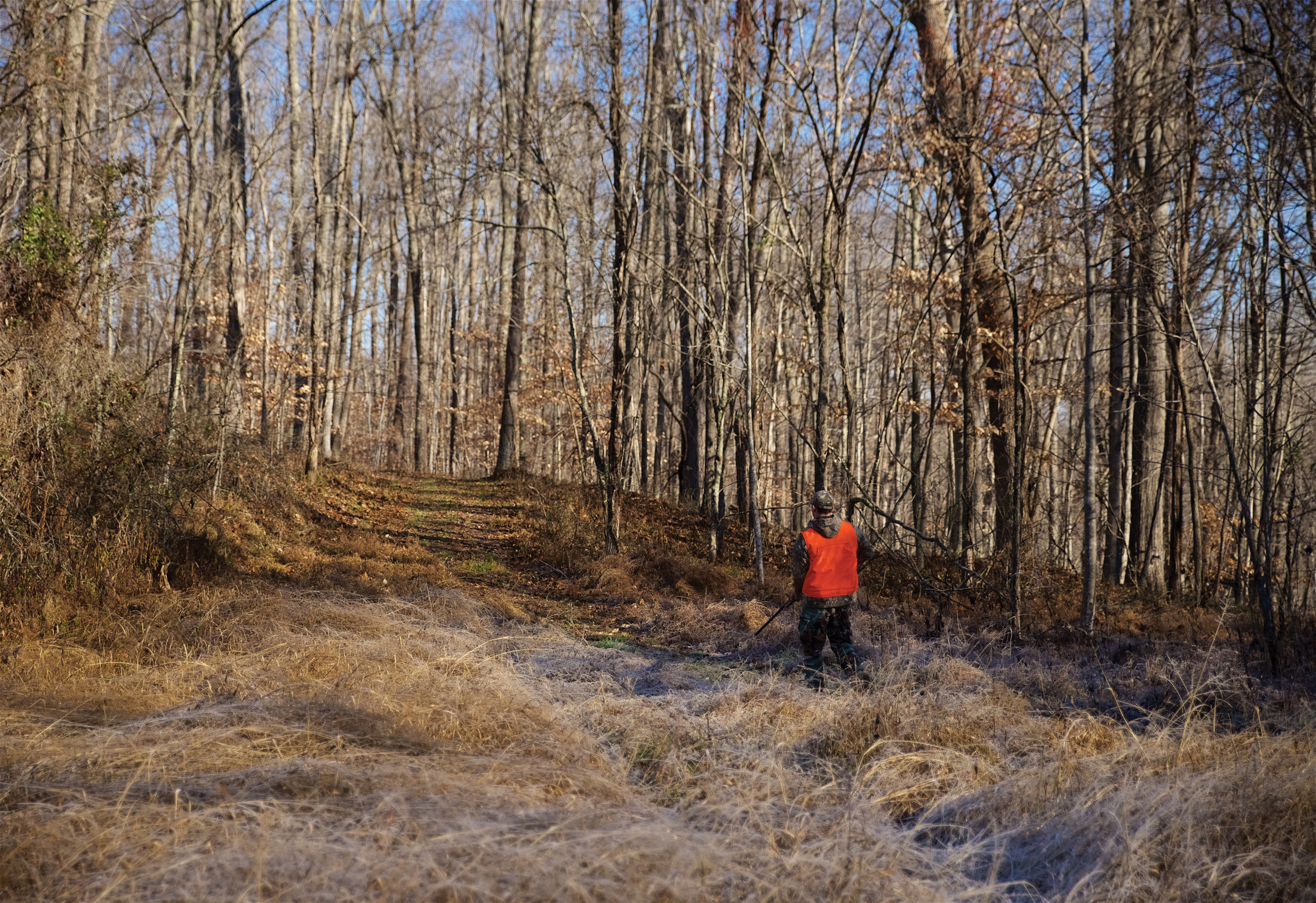
He stresses wearing blaze orange so that you can be seen—not only is it required by law, but the bright color helps avoid accidental shootings while still keeping you relatively hidden to the game you might be hunting. It’s also easy to see in low-light conditions like the early morning or late evening. Some hunter safety organizations report that wearing the color can reduce hunting accidents by more than 50%.
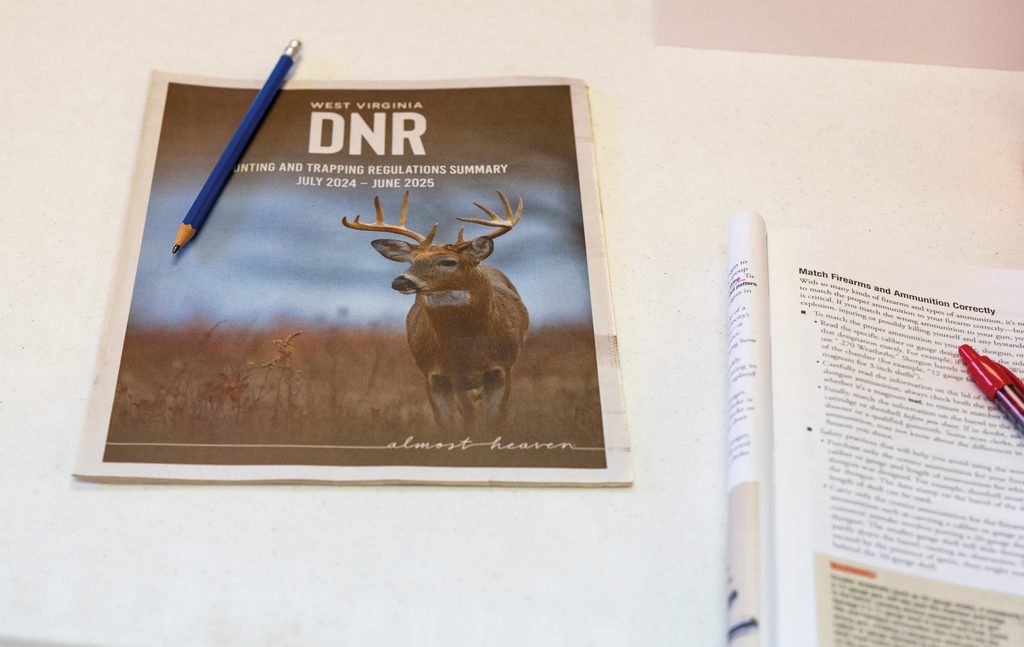
Kuykendall also stresses firearm safety. The WVDNR offers free Hunter Education courses year ’round, so that newcomers and seasoned hunters can ensure they are up-to-date on and practiced in the latest safety regulations. All hunters born on or after January 1, 1975, must complete one of these courses before they can purchase a base hunting license.
Another huge piece of advice he has to give is one that could easily be overlooked but is so important: making sure someone knows where you are when you head out to hunt. “We’ll tell people to leave a plan with a loved one, so in case something does happen and they come up missing, we can have a good starting point for where to start searching for an individual that may have gotten hurt while hunting,” Kuykendall says. This can greatly cut down on the time it takes search and rescue crews to find you during a period when every minute is crucial.
For Generations to Come
The work the WVDNR and Natural Resources Police Officers do isn’t just important to the people who are enjoying the land now—it’s important to those people’s children, grandchildren, great-grandchildren, and beyond. It’s important for honoring the legacy of those who took diligent care of the land centuries ago in hopes that man and wildlife could continue to thrive side by side without waste or carelessness or disrespect. “That’s the important thing: we’re out here policing and protecting the people and the natural resources so future generations can enjoy the natural resources of West Virginia and build lasting memories,” Kuykendall says. “They last a lifetime. That is the biggest thing.”
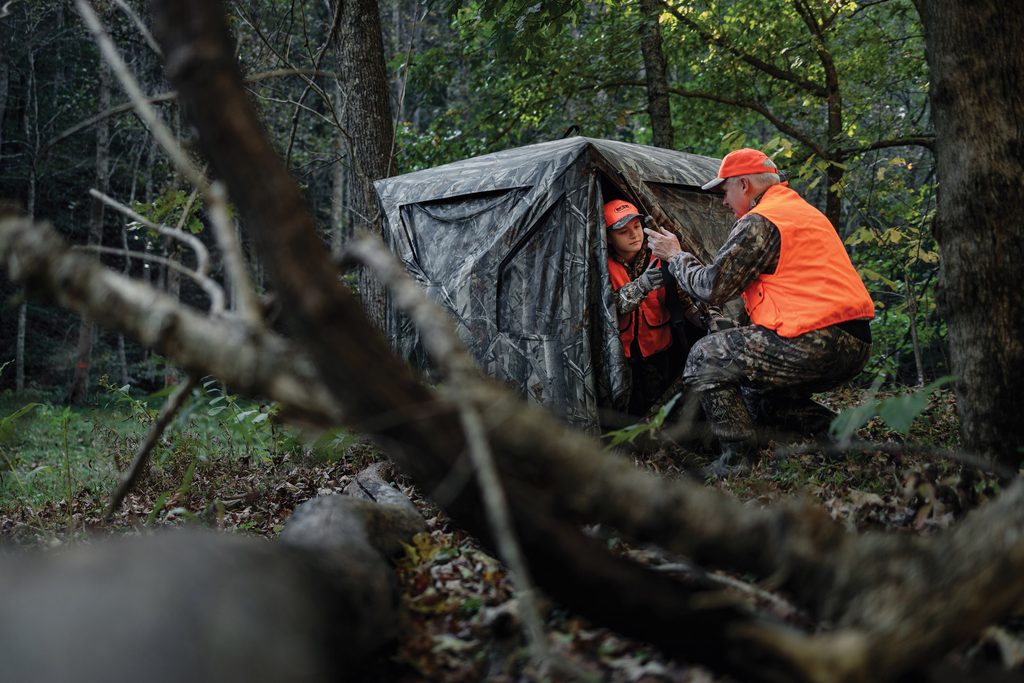
Kuykendall encourages getting young people involved early, particularly through the state’s youth hunts. The state encourages getting young people into the woods unarmed before they start hunting and having someone they love and respect introduce them to the sport. “One of the things that I really enjoy about being a Natural Resource Police Officer is passing on our knowledge,” he says. “And I would really stress to some older hunters out there to continue passing the torch of the tradition of hunting in West Virginia. Get a kid out there, get them off the iPhone, get them out there in the woods, and let them create memories that last a lifetime.”
So get out there and follow his advice—hunt safely, responsibly, respectfully, and legally. If you need help or notice something worrisome, Natural Resources Police Officers are a resource to draw upon. You can also report suspicious activity at wvdnr.gov/law-enforcement/report-a-natural-resources-crime. If you have any questions, Kuykendall suggests reaching out to the Charleston WVDNR Headquarters or your local district law enforcement. Otherwise, “Just enjoy the natural resources in God’s Country that you’re hunting in,” he says. “Be safe.”
Hunt Safely
To see the upcoming schedule for the WVDNR’s free Hunter Education Program and to register for a course, visit wvdnr.gov/programs-publications/hunter-education.
Find recommendations for introducing young people to hunting at wvdnr.gov/hunting/youth-hunting.
 By