 By
By 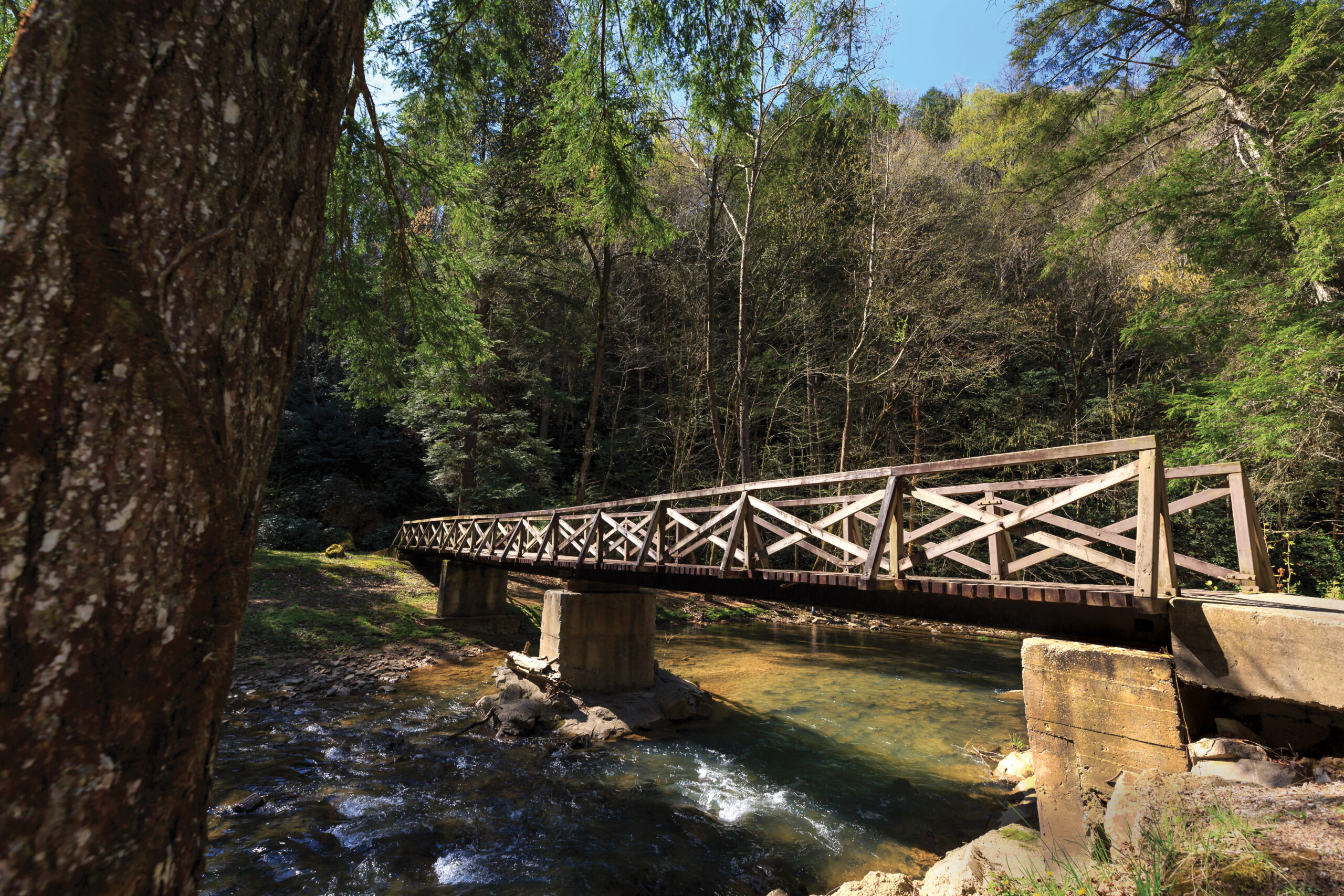
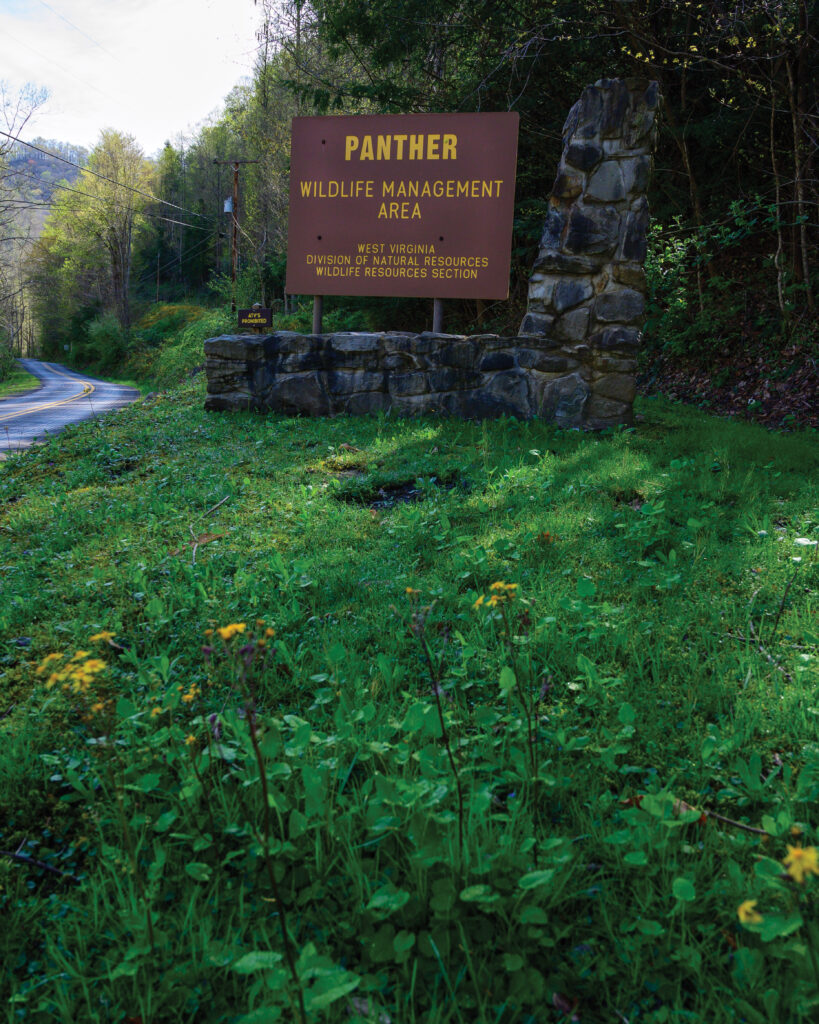
Panther State Forest and Wildlife Management Area is an integral part of life in McDowell County.
This story was originally published in the November 2025 issue of Wonderful West Virginia. To subscribe, visit wonderfulwv.com.
Written by Mason Jack
Photos Courtesy of West Virginia Department of Commerce
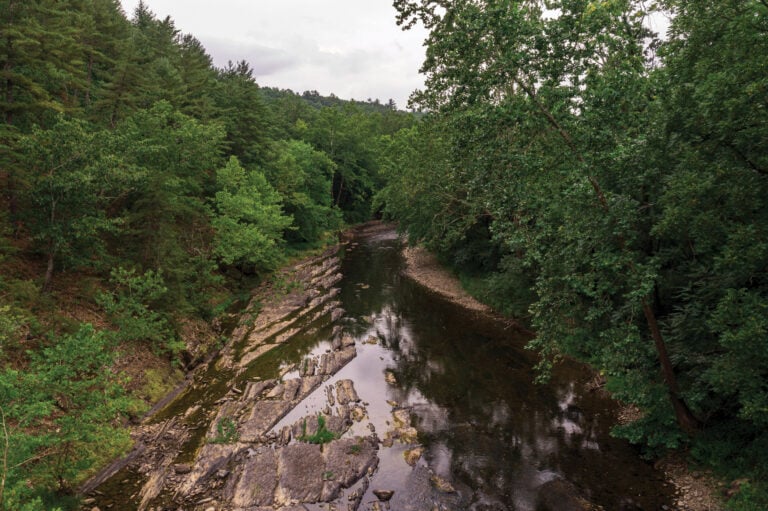
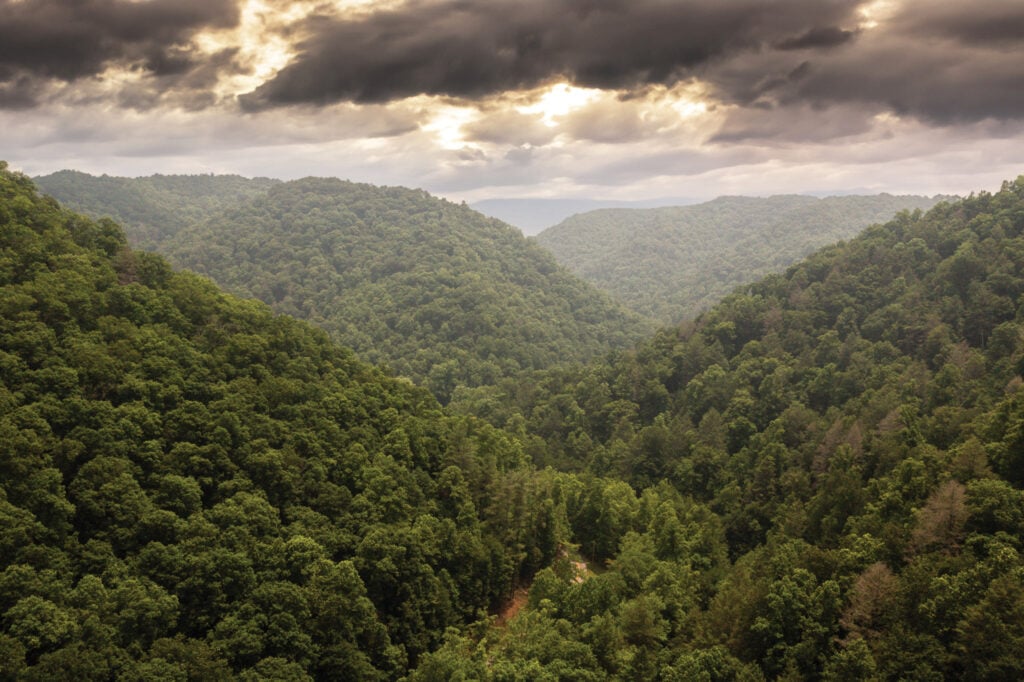
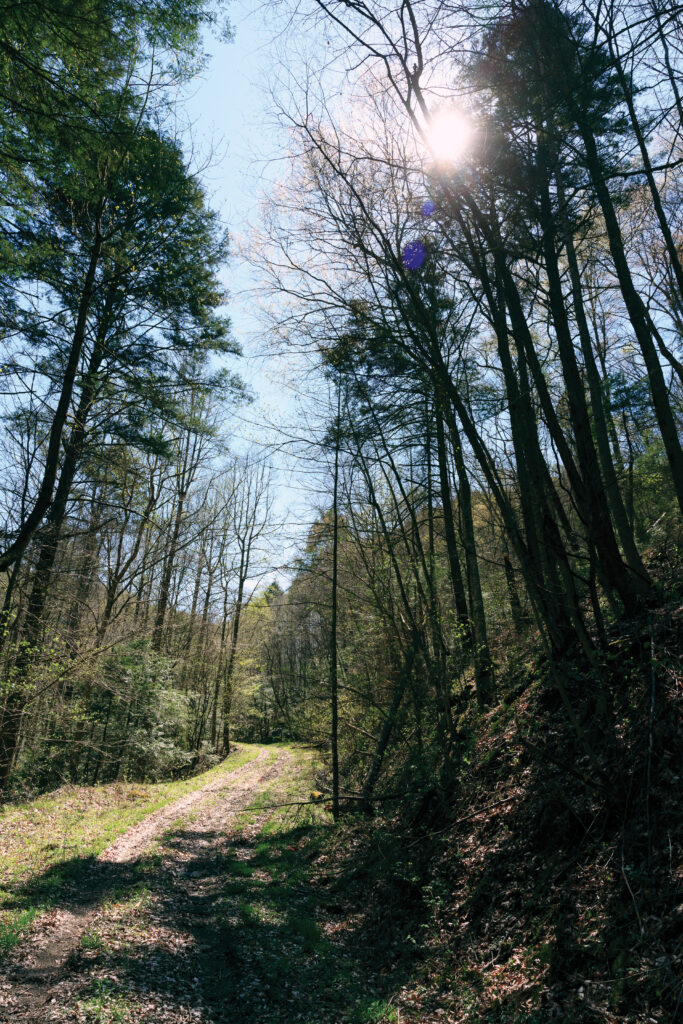
On a map, Panther State Forest and Wildlife Management Area looks like a little green wedge pressed into the far southern corner of West Virginia. It sits deep in McDowell County, just a stone’s throw from the Kentucky and Virginia borders, where steep ridges fold over each other like waves and Panther Creek snakes through narrow hollows. At first glance, Panther seems like any of the rugged forests you stumble across in the Appalachian backroads: wild, remote, and unpretentious. But look closer, and you’ll find a place that’s different from almost anywhere else in the Mountain State.
Panther wears two identities at once. It’s a state forest, with a campground, a pool, picnic shelters, and hiking trails, but it’s also a wildlife management area (WMA) spanning thousands of acres of steep, forested land. That dual designation means you’ll see families splashing in the pool on a July afternoon while, just a few months later and a ridge or two over, bowhunters quietly set stands for deer season. Add in the fact that McDowell County is one of just four archery-only counties in West Virginia, and Panther becomes a fascinating blend of recreation and tradition.
“It’s really a cool program,” says Superintendent Sam Parker, who manages the state forest portion. “We can have folks come for hiking, we can have folks come for swimming as well. And then also, we can use the land for hunting. We’ve had a big turnout in the past couple years for hunting in the fall. Our campground stays really booked and busy in fall.”
Backed by Popular Demand
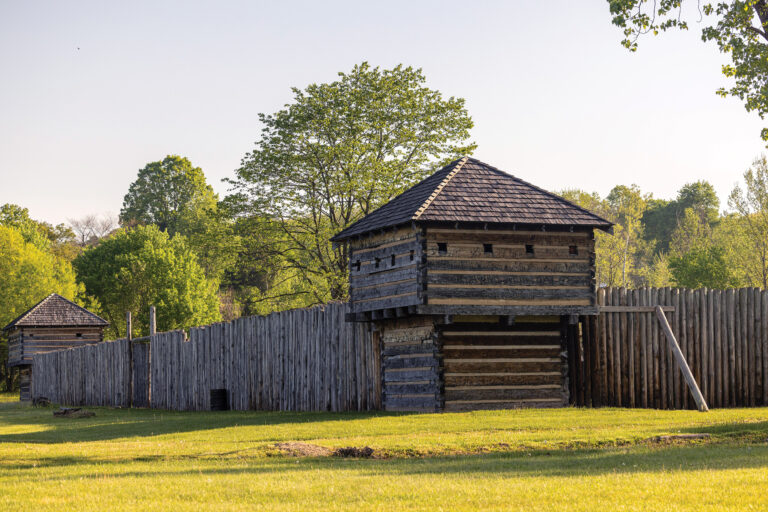
Panther’s roots go back to the 1940s. Unlike most of our state forests, it wasn’t carved out of surplus state land or acquired quietly by purchase. Instead, it was willed into existence by sheer community effort. Local residents, led by the Welch Daily News, raised more than $9,400 through a grassroots campaign known as “Pennies for Panther.” Families donated what they could, sometimes literally pennies, with schoolchildren and coal miners alike contributing to the cause.
The name comes from Panther Creek, where, according to local lore, a panther—a mountain lion—was killed by pioneers. And once the community effort led to creation of the state forest, it became a rare open space in the coalfields, hosting everything from family reunions to school outings.
“The cool thing is that community members are still coming back, families that were part of the original tract of land,” Parker says. “They’re still having get-togethers, and they’’re coming to our group camp and shelters as well.”
By 2008, though, the state needed to reconcile the different uses of the land. Most of the acreage was re-designated as a wildlife management area, while a 26-acre core remained Panther State Forest, overseen by the West Virginia Division of Natural Resources’ State Parks section.
“The Wildlife Resources Section, they are actually the overseers of the whole tract of land, 10,000 or 11,000 acres,” Parker explains. “But State Parks has an agreement that we take care of the 26 acres. That includes all the recreation areas, including the shelters, group camp, swimming pool, and campground.”
Two sections of the agency, two purposes, but one shared forest.
Panther State Forest
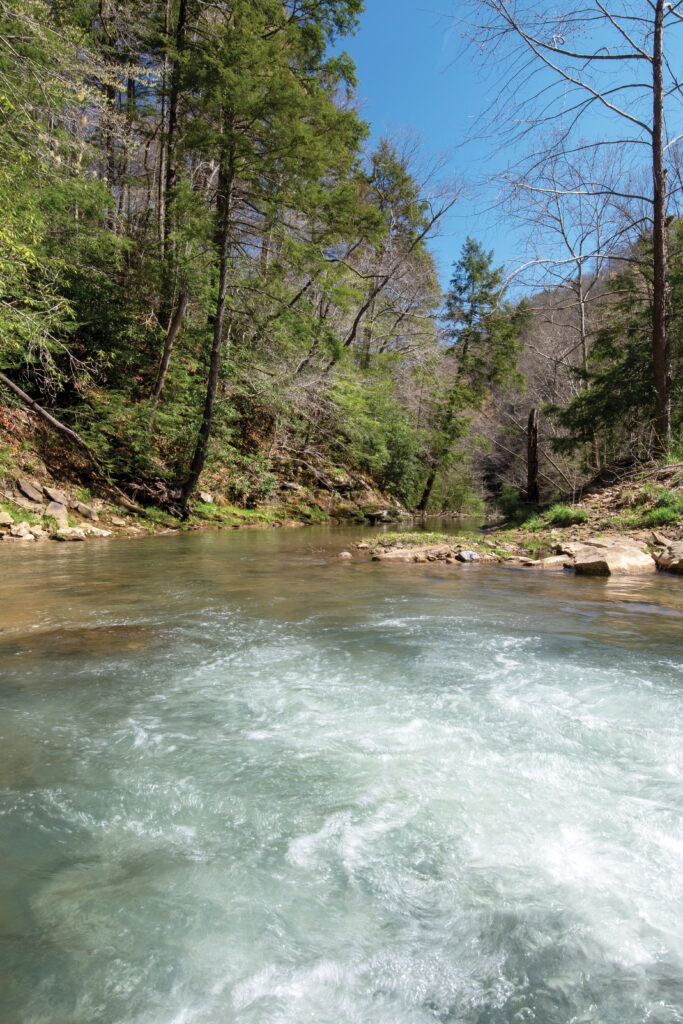
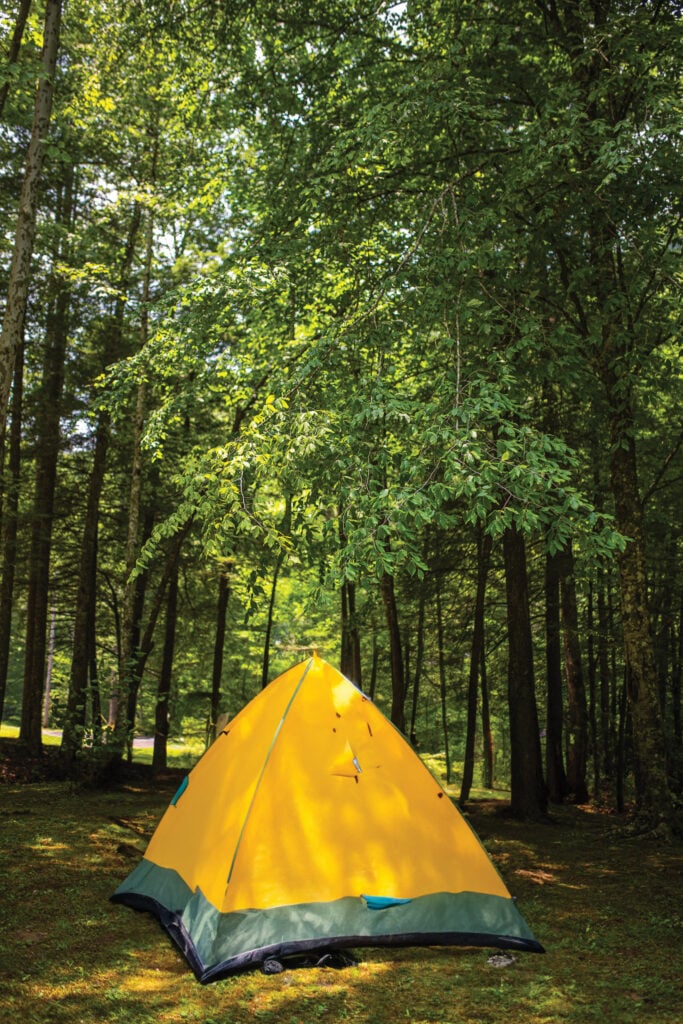
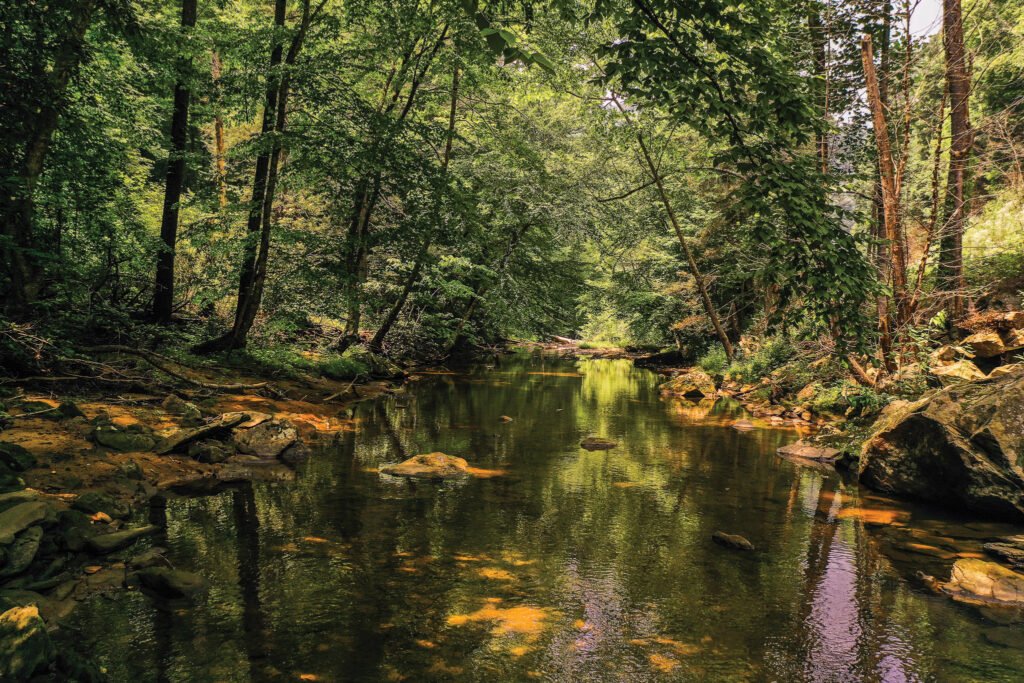
For its small size, the Panther State Forest packs in a host of amenities. The campground is modest, just six streamside sites with electric hookup, picnic tables, and stone grills, but it’s beloved for its quiet setting. Panther Creek runs nearby, and if you time your visit for the spring, you can fish for stocked trout within earshot of your tent.
The group camp, meanwhile, is the forest’s beating heart. “Last year, before our flood, it was booked pretty much from April up until November,” Parker says. Families who once contributed those important pennies now return with grandchildren and cousins for reunions and weekend retreats.
Huge rains in early 2025 were a serious setback. “On February 15th, we got hit by a catastrophic flood,” Parker recalls. “It was three feet higher than it’s ever been, historically.” This had drastic effects on roughly three years of progress and growth for the area, but thankfully not for long. As of the fall of this year, the team is just about caught up and has usual operations back in working order, with the exception of the group camp building and bunkhouse that still need a little extra TLC.
There are even recent improvements. “We put a mini-split air conditioner in our group camp event building,” Parker notes. “We’ve been working on broadband internet service throughout the forest, too. It’s going to help tremendously, bringing more folks in and having more creature comforts.”
For summer visitors, the swimming pool is the highlight. Closed for years before reopening in 2023, it’s become a community touchstone once again, helped along by free pool days with volunteers serving nachos and hot dogs. “It’s been incredible seeing people come back after so long,” Parker says.
Then there are the trails. “We have the Overlook Trail—it’s right above the campground. It’s only like 700 or 800 feet of elevation gain, but once you get to the top, you can see the rugged topography of the Cumberland Mountains,” Parker says. For the ambitious, the fire tower hike offers a longer half-day adventure.
Panther Wildlife Management Area
Hunting is what truly sets Panther apart. McDowell County has been archery-only for deer since 1972, a decision made after firearms harvests plummeted in the late ’60s.
“The buck firearms harvest dropped to extremely low numbers per square mile,” explains District Wildlife Biologist Todd Dowdy. “In 1972, the deer firearms season was closed, and the archery season remained in place. With an archery-only regulation, hunter success and harvest was reduced, which allowed deer populations to rebound. As the population grew, bucks started reaching older age classes, which led to greater antler development.”
The results were dramatic. “Over the next two decades, McDowell County began to produce more trophy-sized bucks, and hunters began to notice,” Dowdy says. Today, the regulation still has overwhelming support from hunters.
Parker has seen the impact firsthand. “It’s nationally known now,” he says. “We’ve been in a few different hunting magazines, and it’s brought in folks from all over the United States. The deer grow a lot bigger because of the bow hunting and the rugged topography, and people want that experience.”
Panther’s steep, oak–hickory forest supports wild turkey, black bear, and squirrels in addition to deer. When asked about good spots, Dowdy stresses scouting. “Hunters are encouraged to find areas that produce the best mast and focus hunting there,” he says. “It varies from year to year, so pre-season scouting is key in a big forested area like Panther.”
Trapping is good, too, though interest has waned. “Opportunities are there for mink, raccoon, gray fox, bobcat, coyote, skunk, and opossum,” Dowdy explains. “But trapping pressure has been extremely light or non-existent in the past few years due to the suppressed fur market.”
Habitat management is ongoing. “Timber operations have been completed on a portion of the WMA to improve forest habitat, with more in the planning stages,” Dowdy says.
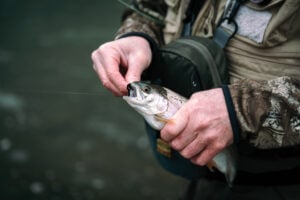
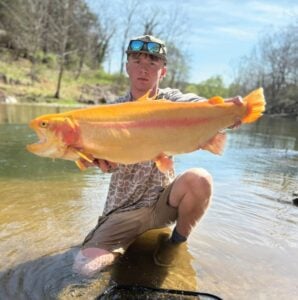
For anglers, Panther Creek is the main attraction. Stocked with trout in spring, it offers several miles of fishing within the WMA. Trout hug the pools and riffles, and early morning often produces the best action. Pack light tackle, stay along the banks, and you’ll have a good chance at rainbow or golden trout. The Tug Fork River, just over the ridge, holds smallmouth bass, catfish, and even muskie. But for most, there’s something special about fishing Panther Creek itself, especially if you’re camping right beside it.
Wilderness Meets Community
A place that nearly didn’t exist, born from the pennies of children and miners, Panther State Forest has been sustained by generations of families who refused to let it fade. There are traditions here that keep the community connected—like the Vance family reunion, which has been held at Panther for more than four decades. “There’s just so much heritage here,” Parker says. “Community members are very family-oriented, and they continue the traditions.”
Those traditions extend to new events, too, he says. In recent years, Panther has hosted Easter egg hunts, trunk-or-treats, car shows, and Christmas parades through the forest. “It’s been incredible seeing people lined up through the forest for those events.”
A lot of notable folks with the state park system have migrated through Panther, Parker reflects. “But at its heart, it’s still a community place. People continue to come back, year after year. That’s what makes it special.”
He cautions first-time visitors not to underestimate Panther’s remoteness, and he recommends downloading the maps on GPS. “A lot of folks get shell-shocked when they finally get down to our forest, because it is off the beaten path. It’s beautiful once you get here, but it’s a lot of windy and curvy roads.”
Dowdy adds that hunters should expect a workout. The terrain is steep, cell service is patchy, and dragging a deer out isn’t easy.
But for those who embrace the challenge, Panther offers solitude you won’t find at busier WMAs, and something else that’s rare: a forest that’s both a community hub and a wilderness stronghold.

 By
By